
 Sailing holidays
  Skippered
  Flotilla sailing
  Digital Flotilla
  Cabin charter
  Request offer
Thinking about renting a yacht with friends or family? One of the first questions is usually: “Do I need a license?” The short answer: not always.
That said, it pays to understand local licensing and safety requirements before you cast off. Below, we outline when a license is — and isn’t — required in the Netherlands and abroad.
When a license isn’t required in the Netherlands
The baseline rule is straightforward: recreational boats under 15 meters that cannot exceed 20 km/h do not require a license. This typically covers canoes, kayaks, SUPs, PWC/jet skis, and most motor or sailing yachts on Dutch waterways.
Important caveat: on large inland waters (e.g., IJsselmeer, Markermeer, or the Wadden Sea) and in ports, a Small Sailing Licence 2 is required regardless of size or speed.
Quick tip: Even where no license is needed, knowing right‑of‑way rules and basic seamanship significantly improves safety for everyone on the water.
Yachts and boats you can rent without a license
Sloeps and “whisper boats”
Popular open motorboats ideal for canals and sheltered waters. Electric “whisper” models glide quietly through nature reserves.

Open motorboats
Includes RIBs and inflatables. Watch your speed — lightweight hulls can exceed 20 km/h with as little as 5 hp. If your boat runs too fast, a technician can throttle the engine, or you can swap to a lower‑power outboard.

Cabin boats
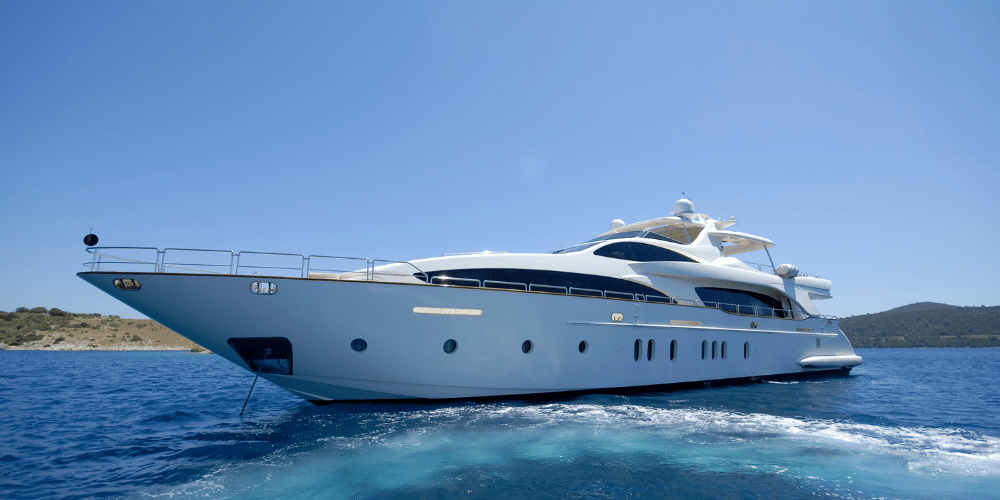
Motor yachts add comfort with berths, a galley, and a shower. Power aside, the 20 km/h limit still applies for license‑free operation — a 20‑ton cruiser at 19 km/h is fine.
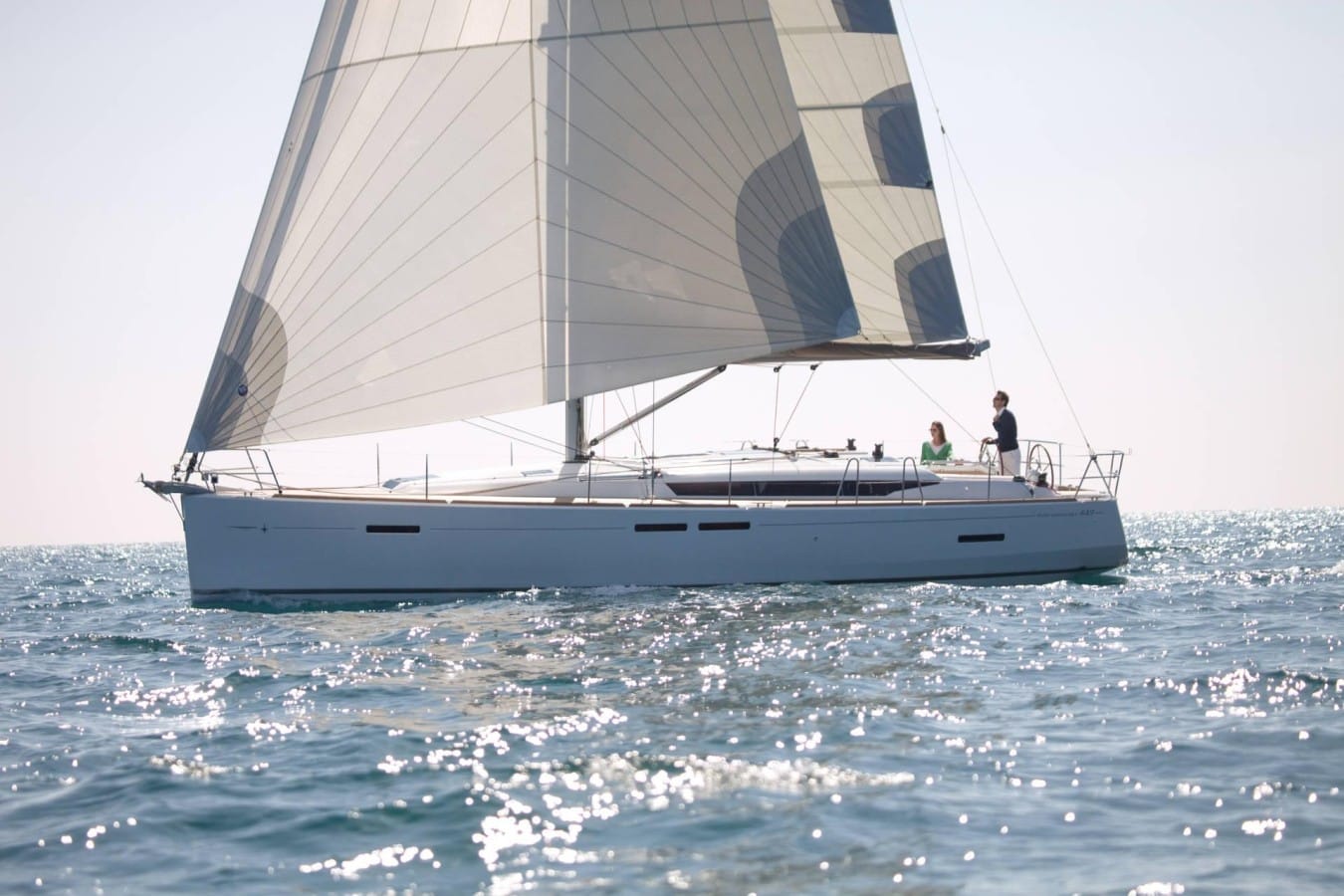
Sailing yachts feature cozy cabins and a saloon, move primarily under sail, and use the engine as backup. Think cruisers, racers, daysailers, and motorsailers — perfect for anyone who loves true sailing.
Traditional flat‑bottom boats
Classic Dutch sailing craft with flat bottoms and leeboards instead of a keel — handy for anchoring in very shallow areas.
Catamarans
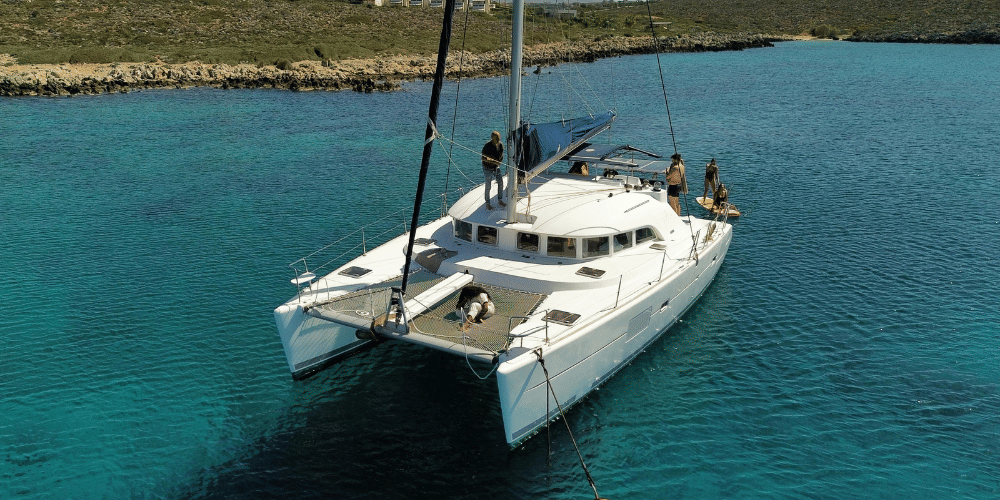
Multihulls deliver excellent space and stability; twin hulls reduce drag. Available as sail or power cats — a favorite for families. Given their size/speed potential, prior experience is recommended even where a license isn’t mandatory.
Chartering abroad without a license
Rules vary widely by country. Many destinations require proof of competence to skipper a boat, including charters. Some make distinctions between privately owned and chartered vessels. Confirm local requirements before you book. If unsure, ask the harbormaster or relevant maritime authority.
Note: always check the latest regulations from local authorities before boating abroad.
Europe — quick overview
France: Electric boats and engines under 6 hp are often license‑free. Canal houseboats (e.g., Canal du Midi) are typically handed over after a short briefing. Membership in certain clubs can cover specific waterways — your member card is proof. Private permits are for private use; commercial activity needs professional credentials.
Italy: Sub‑40 hp boats are frequently license‑free — pay attention to rules in marine protected areas.
Spain: Sailboats under 5 m or motorboats under 4 m up to 15 hp are generally allowed. Great for island‑hopping around Ibiza and Mallorca.
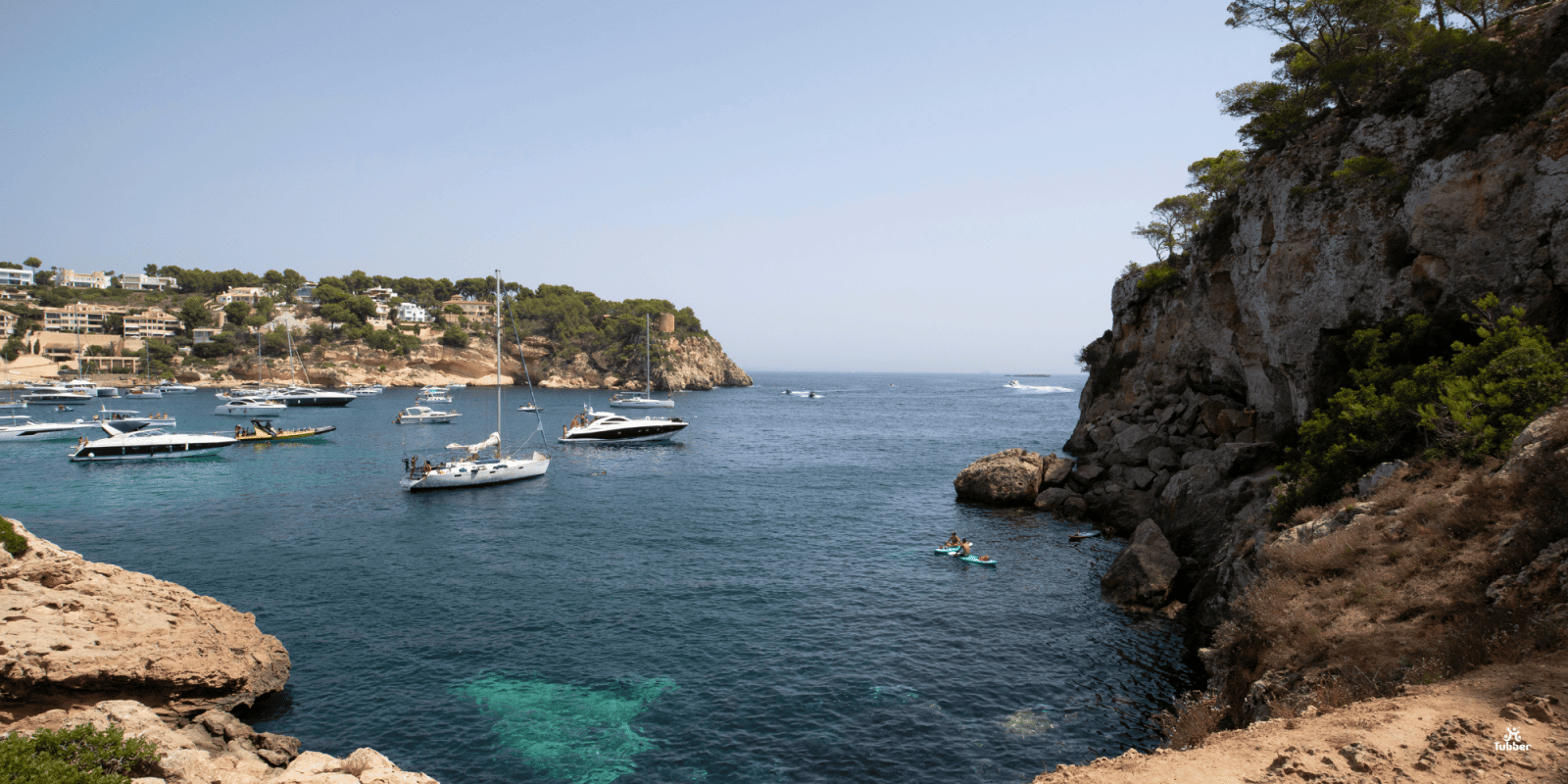
Greece: Powerboats up to 30 hp usually need no license — ideal for near‑shore islands.
Croatia: A license is mandatory for motorboats. Alternative: charter with a professional skipper with valid credentials.
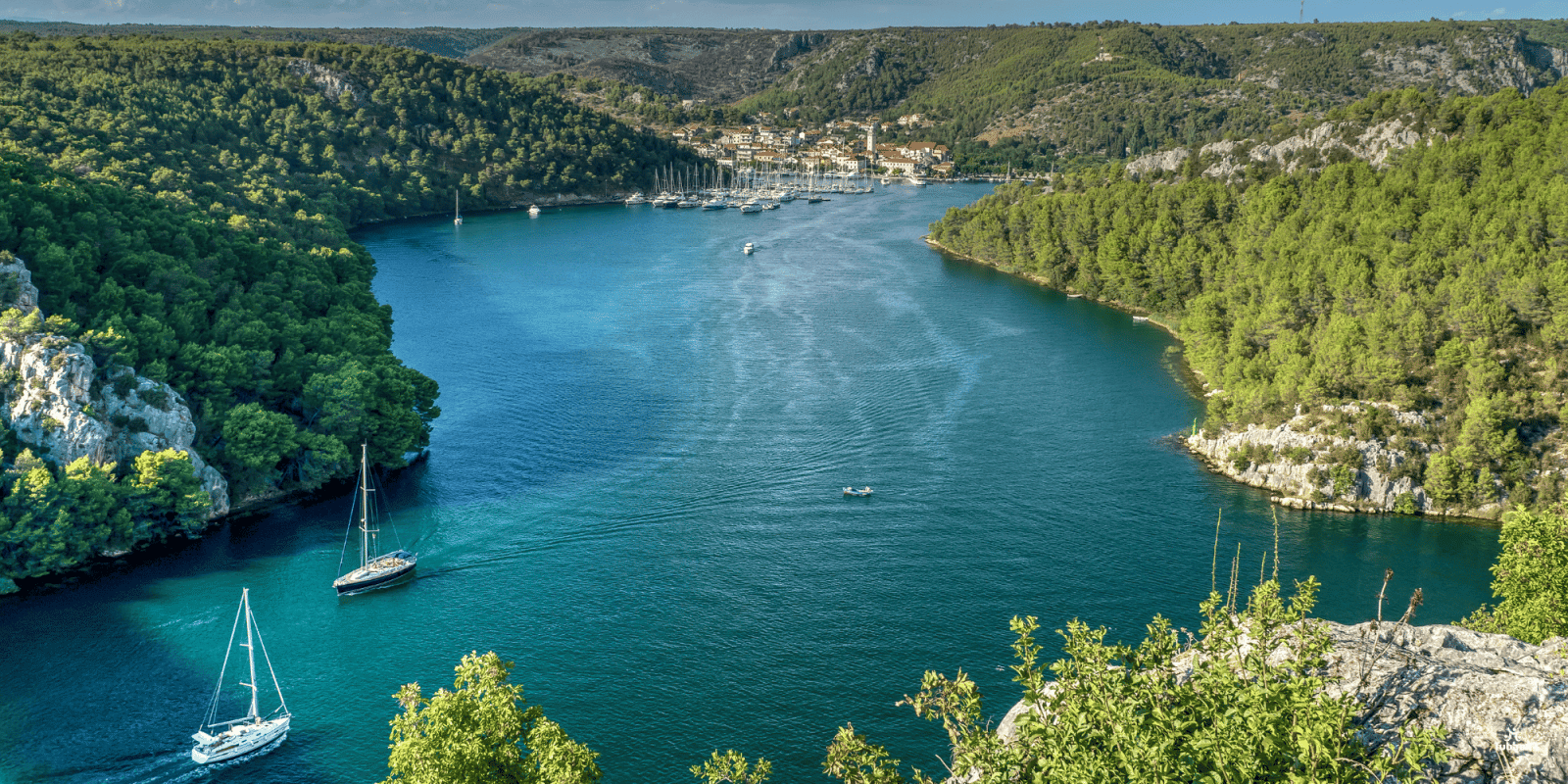
Portugal: Small boats under 15 hp are often license‑free — regional differences (Algarve vs. Lisbon) may apply.

Germany: Sub‑15 hp boats are commonly license‑free on lakes and rivers. Berlin and Brandenburg are especially boat‑friendly.
Beyond Europe: Thailand , Australia (Queensland) and others offer no‑license rentals for smaller craft.
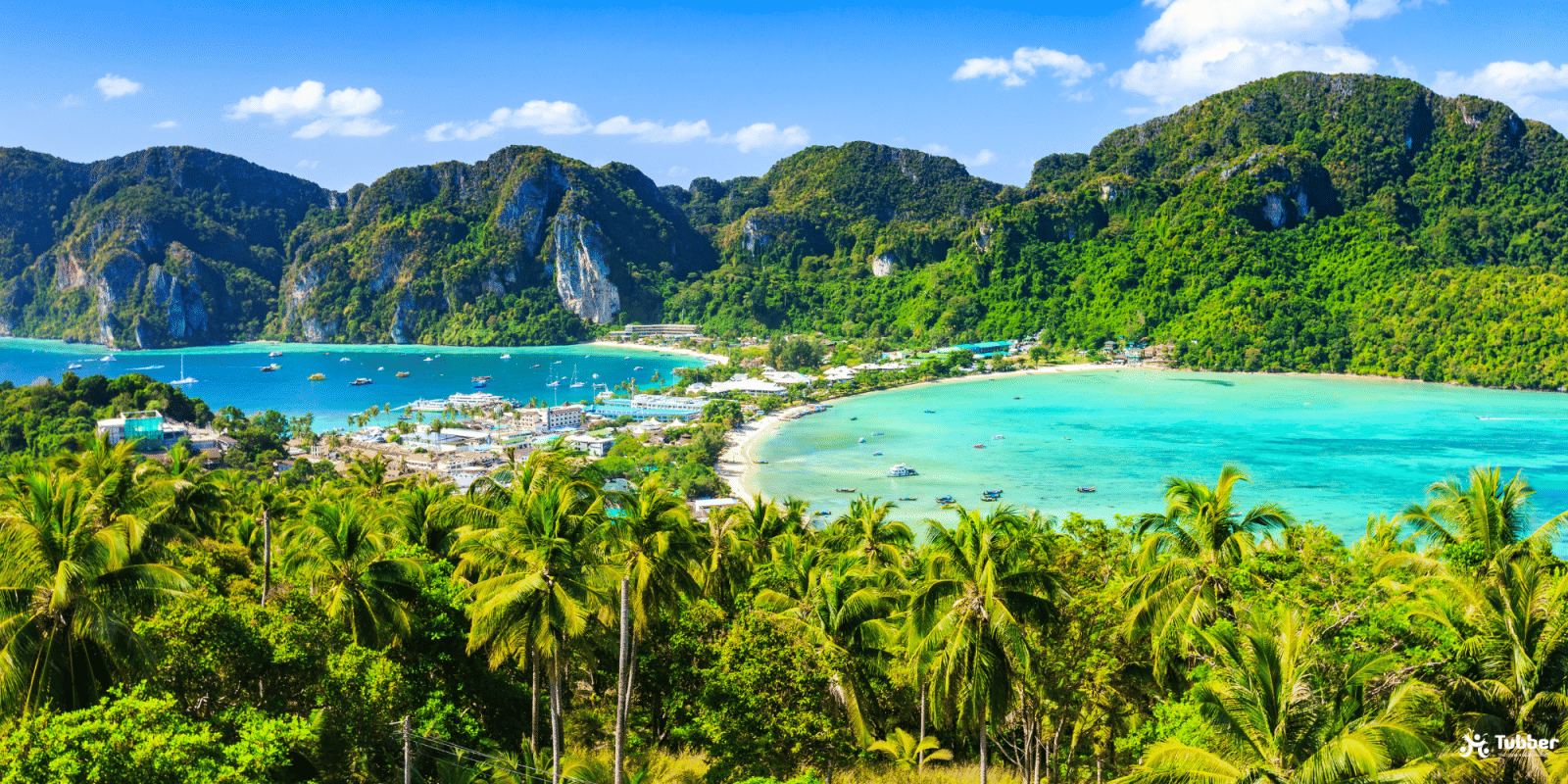
Exception: Some operators grant exceptions for Dutch or Belgian skippers, since boats under 15 m don’t always need a license. Confirm ahead of time with the charter company or harbormaster.
License requirements: international destinations
Before boating in international waters, check with the Royal Yachting Association (RYA) or local maritime authorities. Rules evolve and enforcement varies. In England, the Environment Agency oversees waterways and licensing with a strong safety focus.
Greece: At least one person on board must hold a valid license (ICC recommended), plus a second adult capable of assisting in emergencies. RYA Day Skipper with ICC endorsement works well.

Croatia: Someone on board must have a license/certificate. ICC is mandatory for any powerboat or sailboat over 3 m. Venturing more than 1 NM offshore requires a coastal endorsement. A VHF operator certificate is required for radio use. A transit log (navigation permit) is also required.
Germany: On inland waters, a license is required for engines over 5 hp. ICC isn’t strictly required on the Wadden Sea, Kiel Canal, or Baltic, but it’s advisable. Special rules apply on the Rhine for 15–25 m vessels.
Italy : On lakes, licenses are required above 5 hp. Some lakes require municipal registration. In coastal waters, a coastal skipper credential is needed. ICC with RYA qualifications is generally accepted.
Spain: Sailboats < 6 m and motorboats < 5 m (up to 9.5 hp) are typically license‑free. Larger craft require ICC. Local permits are issued by the harbormaster.
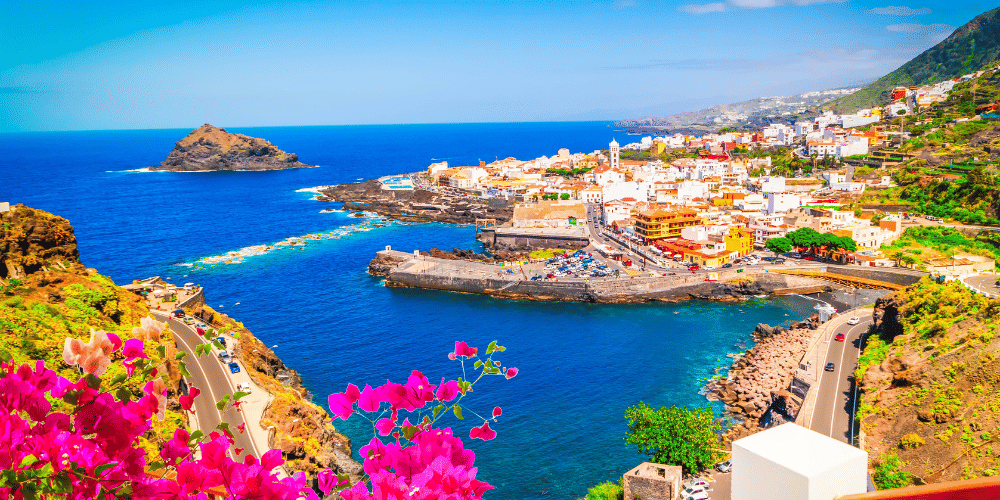
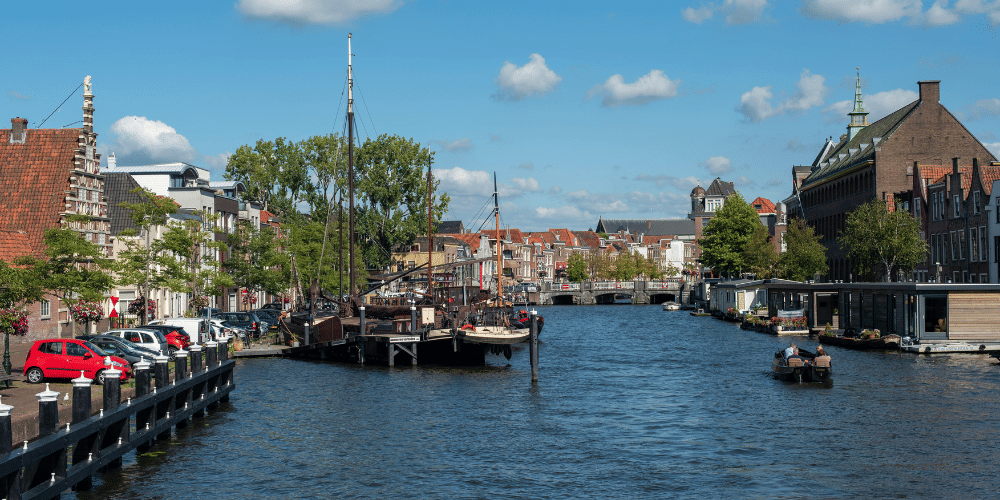
Netherlands: No license for boats < 15 m that cannot exceed 20 km/h. RYA Day Skipper with ICC is accepted.
Portugal: Often aligns with your home‑country rules. If you’re qualified in the UK, you can usually operate in Portugal. ICC or RYA with ICC is suitable for coastal waters.
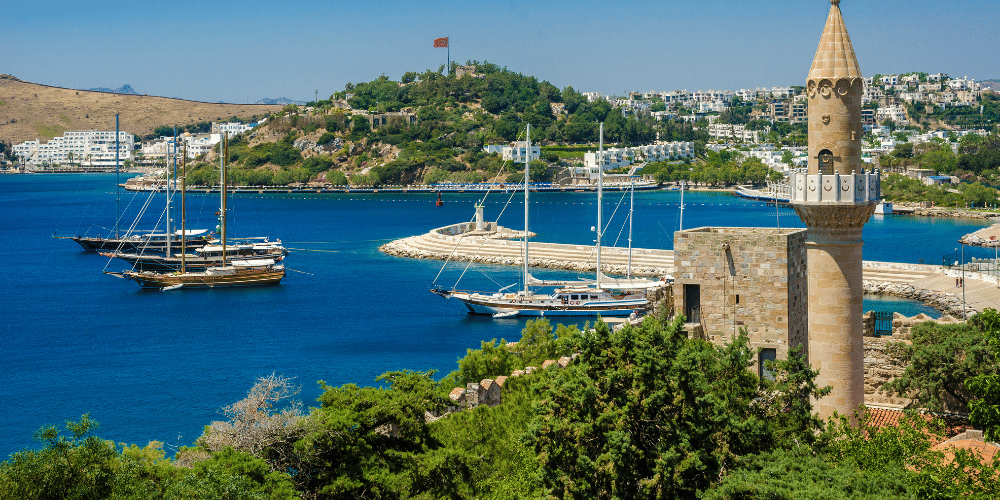
Turkey: No strict nationwide requirements for small charters, but companies will ask for proof of competence. ICC or RYA Day Skipper helps avoid issues.
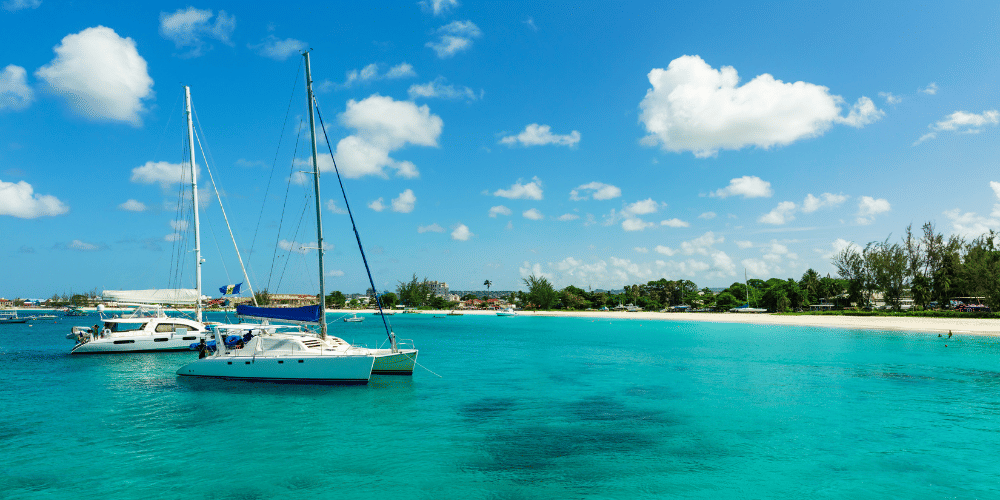
Caribbean: There’s no single rulebook — charter companies expect proof of competence. ICC or RYA Day Skipper plus a logbook history usually suffice.
Seychelles: No rigid national license, but qualifications and experience matter. RYA Day Skipper or ICC demonstrate competence. Mind reefs and tides.

Consider hiring a skipper
Not fully confident at the helm? A seasoned skipper can deliver a friction‑free vacation and share local knowledge about hidden coves and standout beaches. You relax with a book — they handle the navigation.
Final pointers
Sailing unlocks incredible coastlines, cultures, and cuisines. Whether you’re exploring the Dutch canal network or international waters, understanding the rules keeps your trip smooth. The ICC is widely recognized; additional RYA credentials and a solid logbook strengthen approvals and insurance.
There are plenty of options to charter with or without a license. Just verify the rules in advance — Tubber’s broad selection has you covered.
If you purchase a waterway pass, keep the receipt as proof that you’re authorized to use that canal or river.
Happy planning — and fair winds.