
 Sailing holidays
  Skippered
  Flotilla sailing
  Digital Flotilla
  Cabin charter
  Request offer
Let’s be honest — heading out to sail with kids is no small feat. Between safety, meals, schoolwork, and the dreaded “I’m bored,” there’s a lot to juggle. The good news? With thoughtful planning, it’s absolutely doable — and you’ll create memories your family will treasure for years.
Dreaming of a family adventure at sea? With the right prep, that dream becomes real. This guide digs into the small, practical moves that turn a potentially stressful trip into an experience your kids will talk about for ages.

Safety first: lay the groundwork
We start with safety because nothing else matters if this falls short. The ocean is captivating but unforgiving — especially with curious little ones aboard. Before you toss the first line, set clear rules and procedures: they’re essential for managing risk and everyone’s well‑being. Sit down and review them so preparation becomes culture.
Life jackets are non‑negotiable
Kids wear a PFD any time they’re on deck. No exceptions, no “just a minute,” no bargaining. Ask the charter base for properly fitted children’s vests before departure — and inspect them carefully for wear or damage.
Pro tip: practice floating with your kids before you leave. They’ll understand why vests matter and see it as part of adventure prep, not a chore.

Safety nets and child‑proofing
Install nets anywhere there’s a risk of going overboard or reaching hazardous areas. On a boat, everything is within reach — so be extra mindful.
Pair nets with securing heavy items (they turn into projectiles when the boat rolls), use non‑slip mats, and pad sharp edges. In berths, sturdy lee‑cloths are gold — nobody rolls out at night.

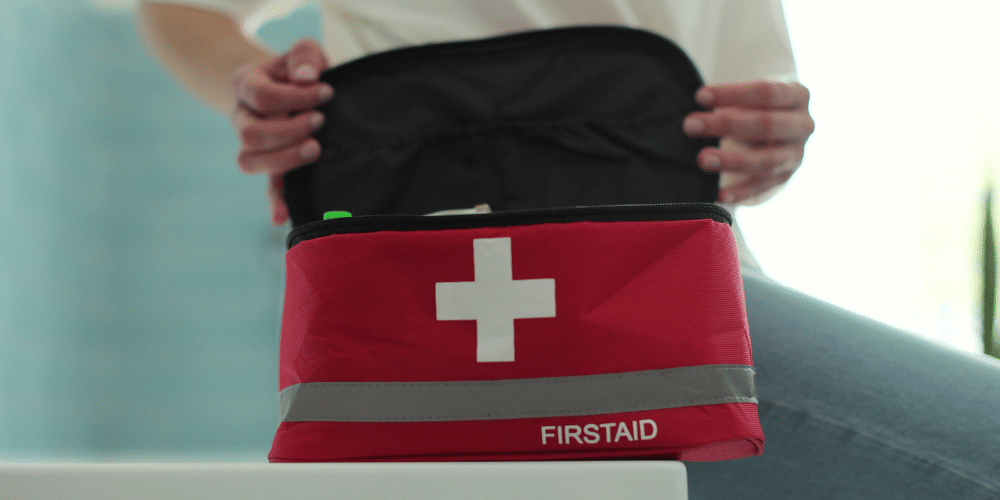
Onboard first‑aid kit
Keep a well‑stocked kit tailored to your kids’ needs. Include regular meds and seasickness remedies. It should be immediately accessible — not buried in the farthest locker.
Quick safety to‑dos: check expiration dates regularly, teach basic first aid, and rehearse emergency protocols so everyone knows their role.
Choosing the right boat
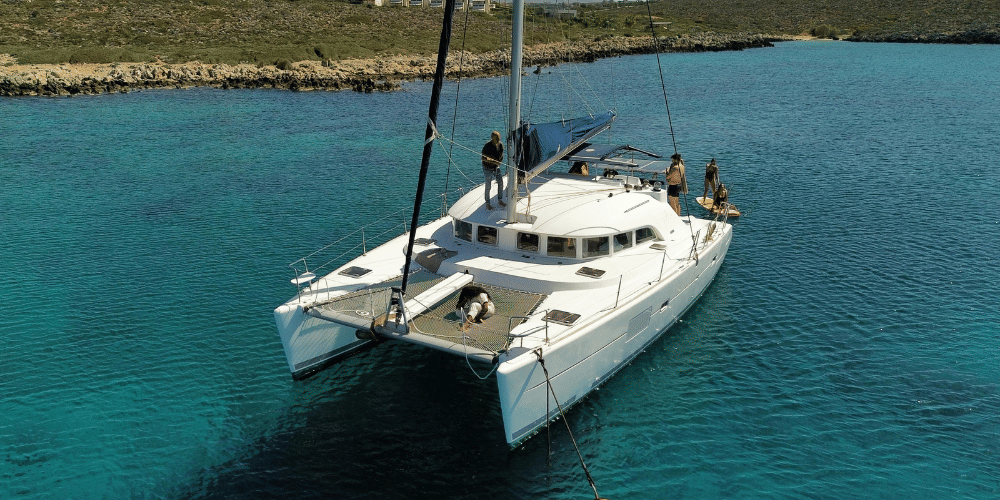
This decision separates success from chaos. The right class of boat is key to safety and comfort — families feel big differences between designs.
For families with younger kids, a catamaran or a beamy monohull is often recommended. They’re far more stable — less queasiness and more room for everyone.
What to look for:
-
Enough cabins and heads/showers for your crew size
-
A layout that gives kids autonomy without losing sight of them
-
Core safety features fitted from the start
-
Reliable engine and solid navigation electronics
-
Well‑maintained boat — ask to see service history
If you can, try a few boats. Speak candidly with the charter base about your needs. Life aboard offers learning, experiences, and family adventure.
Privacy matters (even afloat)
Kids need a spot of their own — even in the middle of the ocean. Some families pick a larger boat so every child gets a cabin, but that’s not always realistic.
Creative small‑space solutions
Curtains work wonders. If siblings share a berth, hang curtains around each. When someone wants quiet, pull them shut — instant privacy. Let kids choose fun patterns; glow‑in‑the‑dark stars are a hit with little ones.
Make it cozy. Cushions, blankets, family photos in waterproof frames, and small battery lights. Involve kids in the decor. Stickers are great — to personalize their nook or create a marine‑life sticker book. Small shelves near berths add storage.
Offer genuine alone time. Especially for teens. Let them explore a tiny island solo (if safe and agreed) or stay aboard while you shop. A little space helps everyone.
Grant freedom (with responsibility)
No matter how big the boat, it can feel small. Give kids tasks with real ownership. Being part of the routine builds responsibility, teamwork, and problem‑solving.
Encourage them to see themselves as crew — not passengers. Sailing is a unique chance for young sailors to learn hands‑on.
Let older kids run the dinghy
For teens and bigger kids who’ve watched you handle the RIB several times and show maturity, trying it themselves is empowering. Teach them to hold a course — plot it, set it, maintain it.
Skip the talking‑down tone
Kids can shoulder real responsibility. Adults set the standard by following procedures and involving them actively. A teen on night watch during a passage? A formative experience for life. Tasks create pride and a sense of belonging.
Balance schoolwork
You don’t need to recreate a full school day. Set specific study windows — ideally when being outside isn’t appealing anyway.
In warmer climates, midday works for study when the sun is intense. Follow your kids’ rhythm. They’re learning constantly as it is: navigation, weather, culture, and marine life.
Banish boredom
“I’m bored” can pop up anytime. Classics like UNO or card games help during long legs. Treasure hunt: have kids identify and name parts of the boat — learning becomes play. For little ones, a small kiddie pool on deck gives hours of safe water fun.

Books and entertainment
Offer choices and let them pick. Tight on space? An e‑reader with favorites is gold. Don’t underestimate reading aloud — it brings everyone closer aboard.
Before you go, hit a bookstore and let each child choose their books. It builds anticipation and brings calm moments aboard.
Tech and music
Sailing is about unplugging, sure — but bring a laptop and a few family movies for rainy nights. You don’t need “zero screens” for an authentic trip.
Music sets the mood, makes chores easier, and adds energy. A small waterproof Bluetooth speaker is worth its weight. Let the playlists roll.
Creativity onboard
Stock up on craft supplies, card decks, and water‑safe toys. Fishing gear entertains for hours — and might even deliver a fresh dinner. Reward responsibility and safe behavior — it works.
Find playmates
Often the trickiest bit — especially with an only child aboard. Thankfully, the sailing world is full of traveling families.
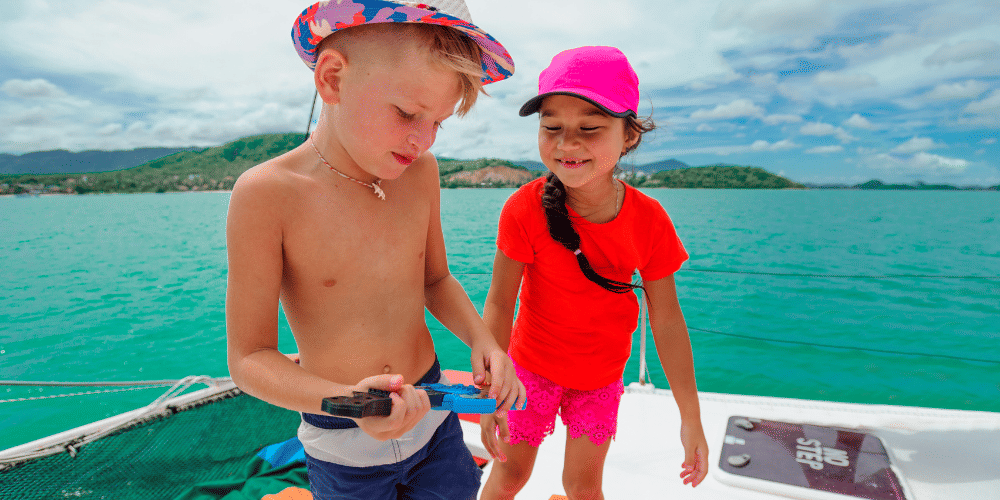
Connect with other cruising families
Use SSB and VHF nets to ask about “kid boats” nearby. With internet, family‑cruiser sites and Facebook groups are helpful. Places like George Town in the Bahamas often gather families — more chances for play.
Keep ties to home
Missing friends is real and affects morale. Plan video calls when you’ve got signal. No internet? Give kids postcards to write or keep. An instant camera is fantastic — they’ll snap what they want to show when you’re back.
Play with local kids
The language barrier matters less than we think. Kids make friends with a few words. Sometimes they just need a nudge past shyness.
Routines that work
Routines add security and structure — and reduce jitters and boredom.
Daily must‑haves:
-
Regular meals with kids helping
-
Consistent sleep schedule and quiet time
-
A mix of planned activities and free play
-
Daily safety check of gear
-
Adults lead by example and uphold rules and routines
When kids know what’s next, they adapt better. Routines secure sleep and food — two things that heavily shape onboard moods.
Meal plan that holds up
Full bellies = happy kids. Get them involved in cooking — it builds ownership and quality time.
Easy favorites:
-
Smoothies: frozen fruit, greens, and protein
-
Baked oatmeal muffins: oats, dried fruit, and nuts
-
Sandwiches and wraps: simple and versatile
-
Pasta: doable even with some roll
-
DIY tacos: kids love building their own
Seasickness is real — the right snacks help. Keep nuts, dried fruit, whole‑grain crackers, and ginger candies on hand; ginger is a natural remedy for motion sickness .
Quick trips ashore for fresh bread and milk spark joy — and a taste of local life.
Tackling seasickness
Without prep, it can spoil the trip.
Natural: ginger candies/snacks, non‑drowsy ginger supplements, plenty of water, and fresh air on deck. Time on deck helps build “sea legs.”
Medication: choose non‑drowsy options. Keep both natural and pharmaceutical aids — everyone responds differently.
Packing list
Comfort: favorite blankets, stuffies, and familiar bedtime items — they add security.
Entertainment: books, games, craft supplies, water‑safe toys, and fishing gear.
Practical: plenty of sunscreen, hats, sunglasses, dry bags, and extra towels.
Make a checklist — and double‑check it. Few things sting more than missing essentials far from shore.
The power of listening
Behind every happy child is an adult who listens. All adults aboard are key for paying attention and keeping the big picture, so everyone feels supported. When kids are eager for new experiences, being heard makes a big difference.
Long sailing vacations can be demanding. If you take the time to hear how they feel and what they’re experiencing, you’ll build bonds that last beyond the passage. Two‑way communication builds trust, prevents flare‑ups, and helps everyone feel seen.
Explore new destinations
The magic of family sailing is discovering places and cultures together. The ocean brings you close to nature, wildlife, and a constantly changing environment.
Planning tips:
-
Choose destinations around your kids’ ages and interests
-
Littles: beach days and swimming
-
Older kids: history, museums, and ruins
-
Build in breaks and flexibility
-
Weather is fickle — have a plan B
-
Check wind patterns and pick safe routes
Whether you’re exploring the Caribbean or Europe’s historic harbors , lean into the adventure. Every stop enriches — and fills your family logbook with salty memories.
Document the adventure
Journals: give everyone a small logbook. Write stories from the trip and share reflections.
Photos and video: landscapes, activities, everyday moments, and laughs. Not just postcards — also the silly bits and challenges. Afterward, make an album or scrapbook.
Social media: share experiences, find other cruising families, and inspire.

Wrapping up
The essence: put safety up top, involve everyone, and make the journey fun for every age.
With solid prep, sailing with kids can be exciting, enriching, and unforgettable. Prioritize safety, keep kids engaged and well‑fed, pick the right boat, involve everyone — and remember the small touches that make the boat feel like home.
Adults set the tone and frame for safety and joy — that’s how rules get followed while everyone has fun. You’re not just keeping kids safe — you’re helping them grow into responsible sailors.
With these strategies, your family trip will be full of laughs, learning, and memories. Thinking about Greece , Croatia , or Spain ? The perfect family adventure awaits.
Need help finding the right family boat? Reach out to specialists who’ll recommend exactly what you need.
Fair winds!