
 Sailing holidays
  Skippered
  Flotilla sailing
  Digital Flotilla
  Cabin charter
  Request offer
So, you're thinking about learning to sail? That's fantastic! There's honestly nothing quite like the feeling of harnessing the wind and gliding across the water. Whether you're dreaming of exploring quiet lakes or island-hopping in the tropics, the fundamentals remain mostly the same—you're working with wind and current to get where you want to go.
The beauty of sailing is that it doesn't matter how old you are. I've seen everything from young kids to retirees discovering their love for the water. Sure, there's a learning curve (what worthwhile skill doesn't have one?), but stick with me here. By the end of this guide, you'll have a solid foundation to start your sailing journey this summer.
Finding Your Perfect Boat
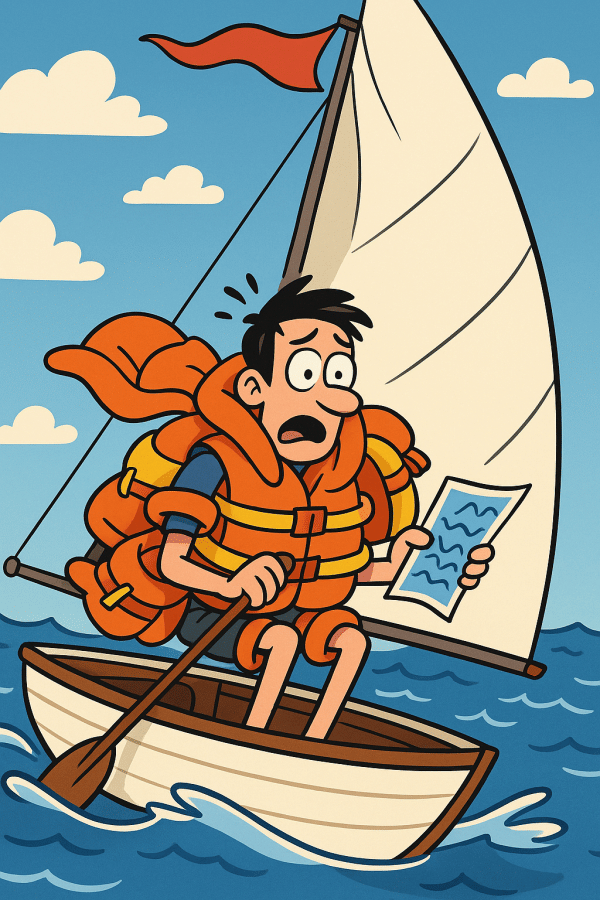
Okay, let's be honest—walking into the world of boats for the first time can feel overwhelming. Dinghies, catamarans , sailing yachts , super yachts... it's a lot! For most beginners, sailboats are your best bet. They're straightforward and accessible, which is precisely what you want when you're starting out.
Before you make any decisions, take a moment to think about what you actually need:
Ask yourself these questions:?
-
Big boat or something more manageable?
-
Will you have friends or family tagging along regularly?
-
How much gear and supplies do you need to store?
-
Are kids coming aboard?
-
Do you need sleeping quarters below deck?
Here's something practical to keep in mind: you'll be handling lines (that's sailing-speak for ropes), so think about how comfortable you are with that kind of hands-on work.
Still feeling stuck? Don't stress about it. Reaching out to charter experts like the Tubber Team can save you a ton of confusion. They do this every day and know exactly which boats work for different situations.
Getting Legal: Licences and Regulations
I know, paperwork isn't the exciting part, but trust me—you don't want to skip this. Licence requirements vary wildly depending on where you're sailing and what type of boat you're using. Lake sailing typically has different rules than coastal sailing, for example.
At minimum, you'll probably need a VHF radio licence. If you're looking for widely recognized certifications, check out organizations like the Royal Yachting Association (RYA). Their credentials are accepted in tons of places and give you solid foundational training.
My advice? Take lessons at an accredited sailing school. You'll learn the essentials and meet licensing requirements at the same time. It's a win-win.
Understanding Wind and Weather
The Beaufort Scale: Your New Best Friend
Before you even think about casting off, get familiar with the Beaufort Wind Scale . It's an international system that rates wind and water conditions from 1 to 12. Not only will it help you determine if conditions are safe for sailing, but you'll also sound like you know what you're talking about at the marina!
Marine Weather Forecasting
Here's where things get different from checking if you need an umbrella for your walk. Marine forecasts are their own beast entirely. You need to check hour-by-hour forecasts, especially for shorter trips. Weather can change fast on the water, and you want detailed, time-specific information.
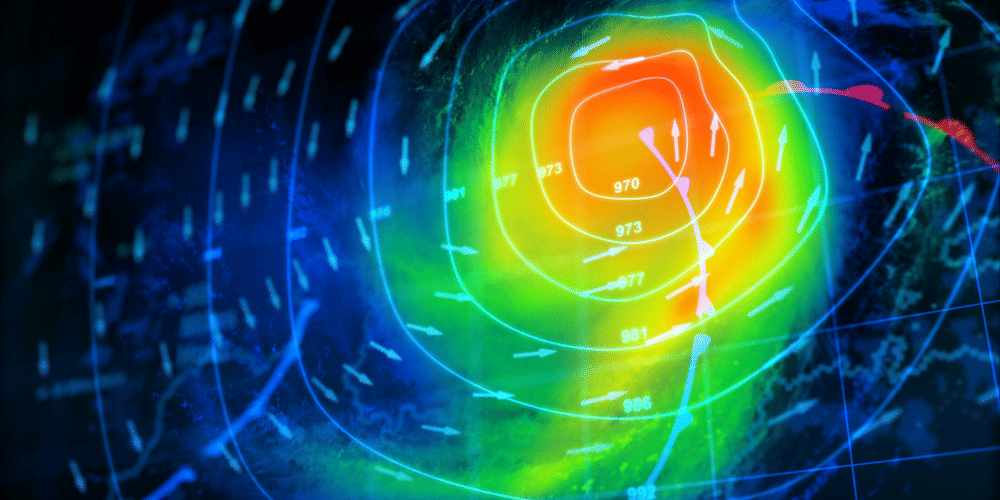
I recommend following some reputable marine forecasters and really learning how they think. This isn't optional knowledge—when you're planning sailing holidays to destinations thousands of miles away, you need to understand what conditions you're heading into. Good weather planning can make your trip magical. Bad planning? Well, let's just say it can ruin everything.
Nature's Curveballs
Sometimes Mother Nature likes to keep us on our toes. Waterspouts and storms can pop up seemingly out of nowhere. Learning a bit about local geography and weather patterns makes sailing so much safer (and way less stressful). That said, sometimes the smartest move is simply dropping your sails and waiting things out.
And honestly? Sailing under clear skies on a sunny day is absolutely the best experience for beginners. There's plenty of time to challenge yourself with trickier conditions later.
Tides and Currents: The Invisible Forces
Getting to Know Tides
If you're learning in an area with noticeable tides, this is priority number one. Tides can be tricky characters, and understanding when they're coming in or going out is crucial.
Currents Matter Too
Currents show up in lakes, seas, and oceans. Some are super local; others are massive, like the Gulf Stream in the Atlantic. The golden rule? Don't sail against the current if you can help it. Learn your local currents—and remember, they can switch direction at certain times of day.
Avoiding Wind-Over-Tide Situations
This is when wind blows one way and tide moves the opposite direction. When both are strong, you get large standing waves—definitely something you want to avoid. The good news? Tides are predictable! Keep updated tide timetables with you always.
Safety First: Critical Skills
Fire Safety
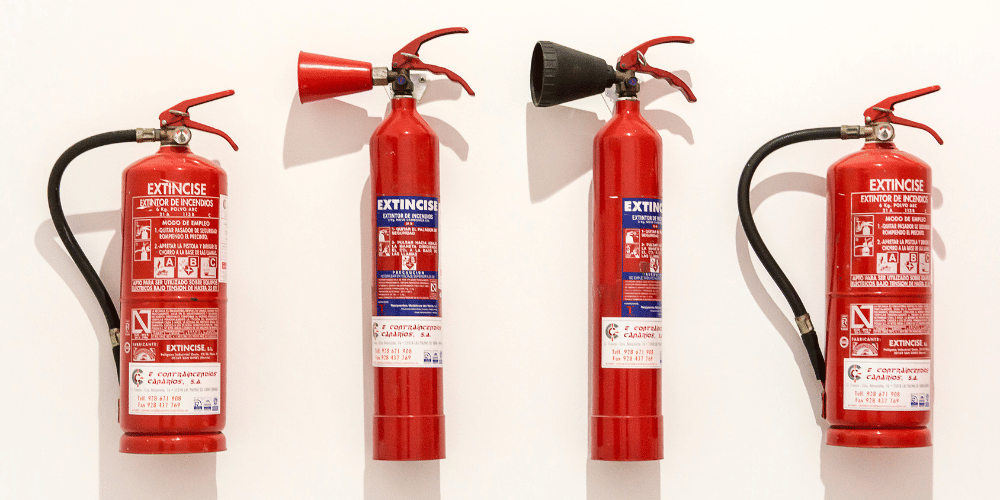
Fires on boats are absolutely terrifying. Boats are flammable, they can melt, and you're surrounded by water with limited escape routes. Be super careful about what you bring aboard—even innocent things like candles can be dangerous.
Have at least one fire extinguisher in an easy-to-grab spot. Actually, have several. And make sure everyone onboard knows how to use them. Yes, even the kids.
The Mayday Protocol
This could literally save your life. Learn the difference between a Pan-Pan and a Mayday, and know exactly when each is appropriate.
Pro tip: Get a laminated Mayday reference card and stick it right next to your VHF radio. In an emergency, you don't want to be trying to remember what to say.
Navigation Lights
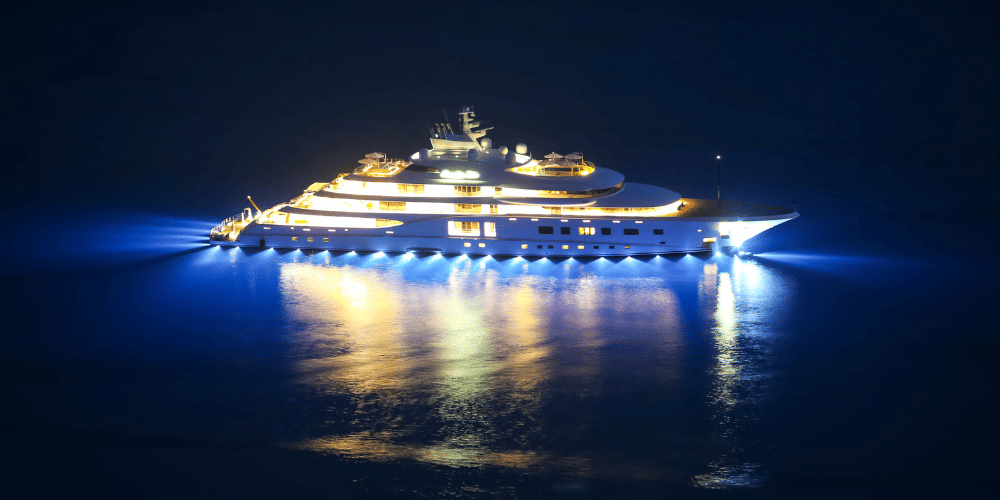
Just like driving a car at night without headlights is idiotic, sailing in the dark without navigation lights is dangerous. These lights don't just show other boats where you are—their colours indicate which direction you're heading.
Always check they're working before you leave. Yes, this might mean walking to the far end of the marina to verify, but it's essential.
Paper Charts Are Still Important
We know, we know—we live in a digital world. Electronic charts are fantastic. But what happens when your electronics fail? (And they will eventually.) Owning paper charts and knowing how to read them could genuinely save you in a pinch.
Practical Considerations
Dealing with Seasickness
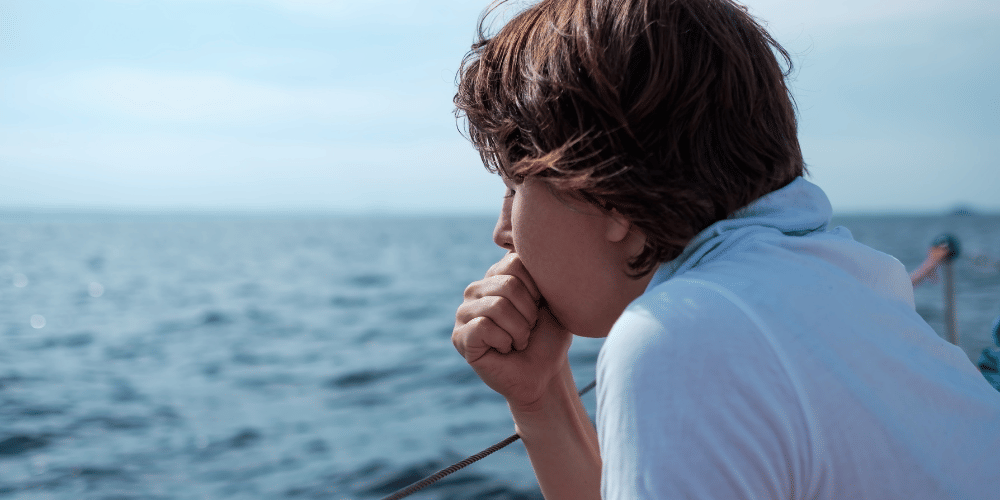
This is the elephant in the room, isn't it? Seasickness stops many people from even trying sailing, and I totally get it. It can be miserable, and everyone experiences it differently.
The thing is, there are tons of remedies out there. Ginger biscuits, prescription tablets, acupressure bands—you name it, someone swears by it. Try different approaches until you find what works for you. Stay hydrated, and have someone ready to help if nothing seems to work.
Stock Up Smart
The essentials are straightforward: food, water, and medicine. Cooking onboard has its challenges, but with a good packing list, you'll be fine. Just plan ahead and keep it simple when you're starting out.
Sailing Terminology 101
Let me give you a quick crash course in sailor-speak:
The Boat Itself:
-
Bow – the front of the boat
-
Stern – the back
-
Port – left side (when facing forward)
-
Starboard – right side (when facing forward)
-
Helm – the steering mechanism (wheel or tiller)
Wind and Direction:
-
Windward – where the wind is coming from
-
Leeward – the direction the wind is blowing toward
-
Tacking – changing direction by turning through the wind
Sails and Equipment:
-
Jib – triangular sail at the front
-
Mainsail – the big sail on the main mast
-
Boom – horizontal pole at the bottom of the mast (watch your head!)
Speed:
-
Knot – one nautical mile per hour
Don't worry about memorizing everything right away. You'll pick up the language naturally as you spend more time on the water.
Choosing Your Sailing Holiday
Flotilla Sailing
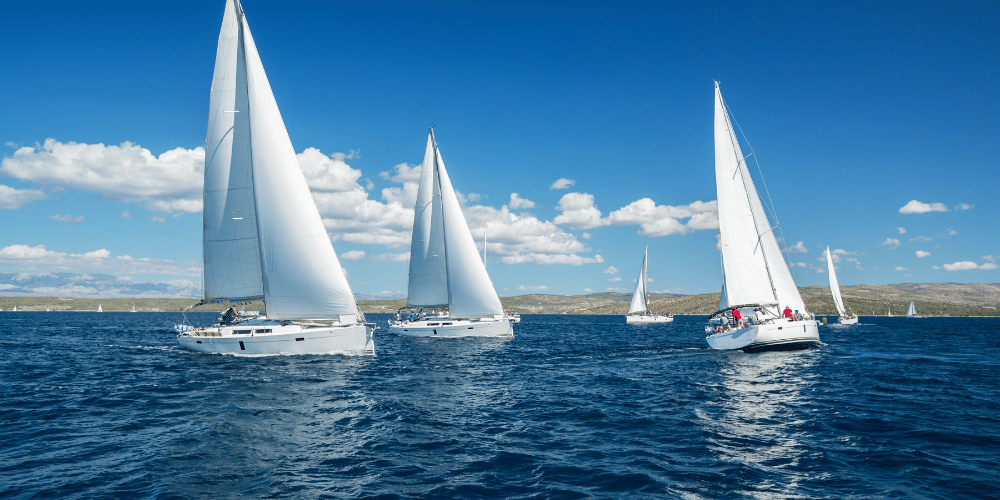
This is perfect if you're social and want some backup. You sail with a small fleet (usually around 10 boats) led by a mother yacht with an experienced skipper . Every morning, there's a group discussion about weather, routes, and plans.
The best part? You can sail independently during the day and meet up with everyone at the agreed harbour or bay in the evening. Beach bonfires, snorkelling, exploring villages—it's all on the table. Turkey has some great flotilla options. This works brilliantly for both newbies wanting to gain confidence and experienced sailors looking for good company.
Family Sailing
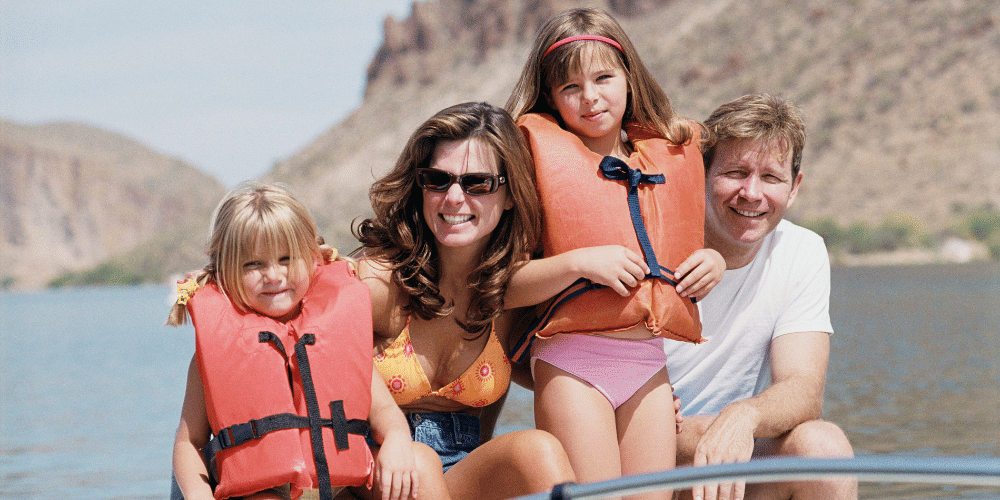
Got kids and zero sailing experience? Family sailing is designed for you. You sail with an experienced skipper in a flotilla with other families. There's that same mother yacht for backup, and the skipper knows the local conditions inside and out.
The kids make friends with other children in the fleet, while parents can actually relax and socialize. It's a holiday for everyone, not just a stress-fest for mum and dad.
Party Sailing
Young, social, and ready to have some fun? Party sailing on Ibiza or Mallorca might be your vibe. You sail during the day, then hit the best parties at night. It's geared toward people aged 21-36 from all over the world, with groups of 3–9 people per boat. You can even book individual cabins.
Sailing with a Skipper
Want the experience without the responsibility? Hire a skipper . They handle all the navigation while you relax, read that book you've been meaning to finish, and enjoy the scenery. Plus, experienced skippers know all the best restaurants and hidden spots. This is perfect for couples, families, or friend groups who want a carefree holiday.
Bareboat Charters
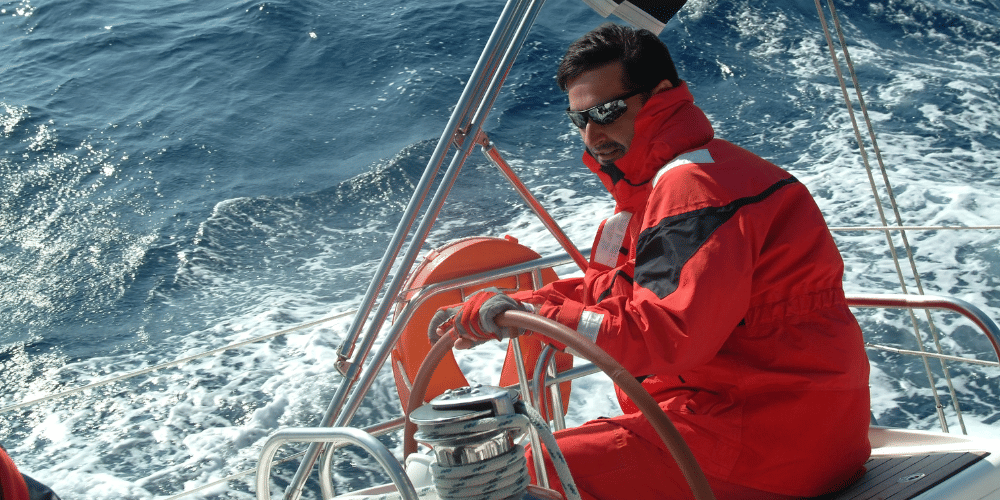
For the sailing enthusiasts ready to go solo. You rent the yacht and captain it yourself. This is super economical if you're going with a group. Croatia has incredible sailing routes, the Mediterranean Sea offers paradise conditions, and places like the British Virgin Islands are absolute dream destinations.
Just note: licence requirements vary by location. Some places want to see your skipper licence, others need a nautical CV to assess your skills, and some (like parts of the Caribbean) don't require licences at all. Do your homework before you book.
Final Thoughts
Here's the thing about sailing: once you learn to do it properly, it opens up the entire world to you. Sure, you can always sail with a skipper, but there's something magical about doing it yourself. Feeling the water move beneath the hull, steering toward the horizon, wind in your hair, complete freedom.
But above everything else—and I mean this— have fun!
Sailing is about freedom. Freedom to explore, to laugh, to challenge yourself, to just be completely present at the moment. It's not about being perfect; it's about the adventure.
So dare to try it. Get on that boat with a smile and an adventurous spirit. The water is waiting for you.
Happy sailing!