
 Sailing holidays
  Skippered
  Flotilla sailing
  Digital Flotilla
  Cabin charter
  Request offer
After years of working with thousands of sailors, we’ve learned one essential truth: smart packing makes or breaks your sailing vacation. Too often we see hard suitcases that barely fit through the companionway, stuffed with things that never get used. They hog space, bang around on deck, and make life on board harder. Here’s a complete, battle‑tested list — from true must‑haves to clever extras that make your trip much easier.
We get it: plotting the route is exciting, but packing smart? That’s where the magic happens. For a sailing charter, you have to think differently than a hotel trip. Life at sea has its own rhythm and needs. Let’s run through what really works — from can’t‑forget essentials to little tricks that make you look like an old salt.

Why a sailing vacation is different
This isn’t a “regular” getaway. It’s an adventure that blends freedom with the thrill of open water. First‑timer or seasoned hand, our experience is clear: smart packing separates a good trip from an unforgettable one.
You’ll live in tight quarters, weather can flip in minutes, and you’ll spend long stretches on deck. Your list should prioritize comfort, protection, and flexibility.
Start with these basics: sailing gloves for line work (your hands will thank you), non‑slip deck shoes, and quick‑dry clothing that laughs at spray. Add sunscreen, a wide‑brim hat, and flip‑flops — and you’re set.
Our best tips (earned at sea)
Seriously: less is more
The more you bring, the more you carry — and half won’t get used. No one cares if you wear the same shorts for three days. Pack what you actually wear; leave the rest at home.
The right bag (crucial)
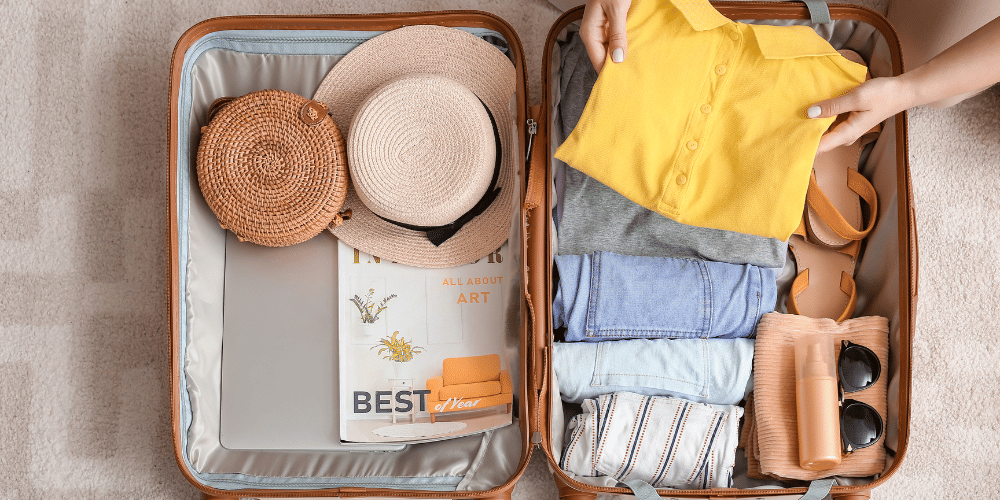
Cabin space? Minimal. Skip the hard case: it doesn’t fit, it clatters, and it’s a pain on the stairs. Go for a soft, collapsible duffel/sail bag you can compress and stash anywhere.

Dress with a plan
Greek islands in summer? You need very little — shorts and tees. Croatia in spring? Layer up. Choose quick‑dry fabrics; cotton stays wet forever. Whatever the weather app says, pack for sun, wind, rain, and cool evenings.
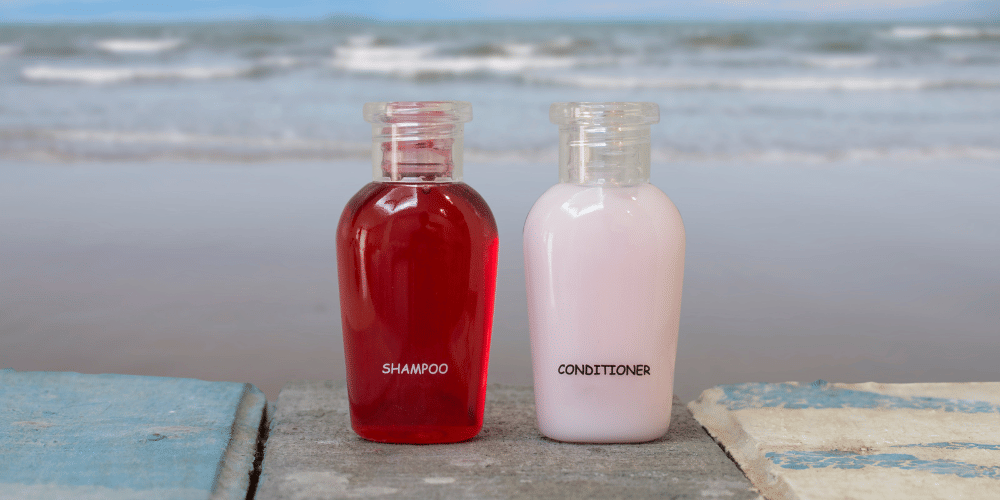
Toiletry kit in minis
Space is precious. Leave the big bottles at home. Travel sizes always win.
The complete checklist (that actually works)
Documents & money
- Valid passport or ID
- Boating license (if required)
- Insurance details
- Cards and some cash
- Confirmations & emergency contacts
- Visas & travel insurance
- Copies of important documents (stored separately)
- Customs forms or added paperwork
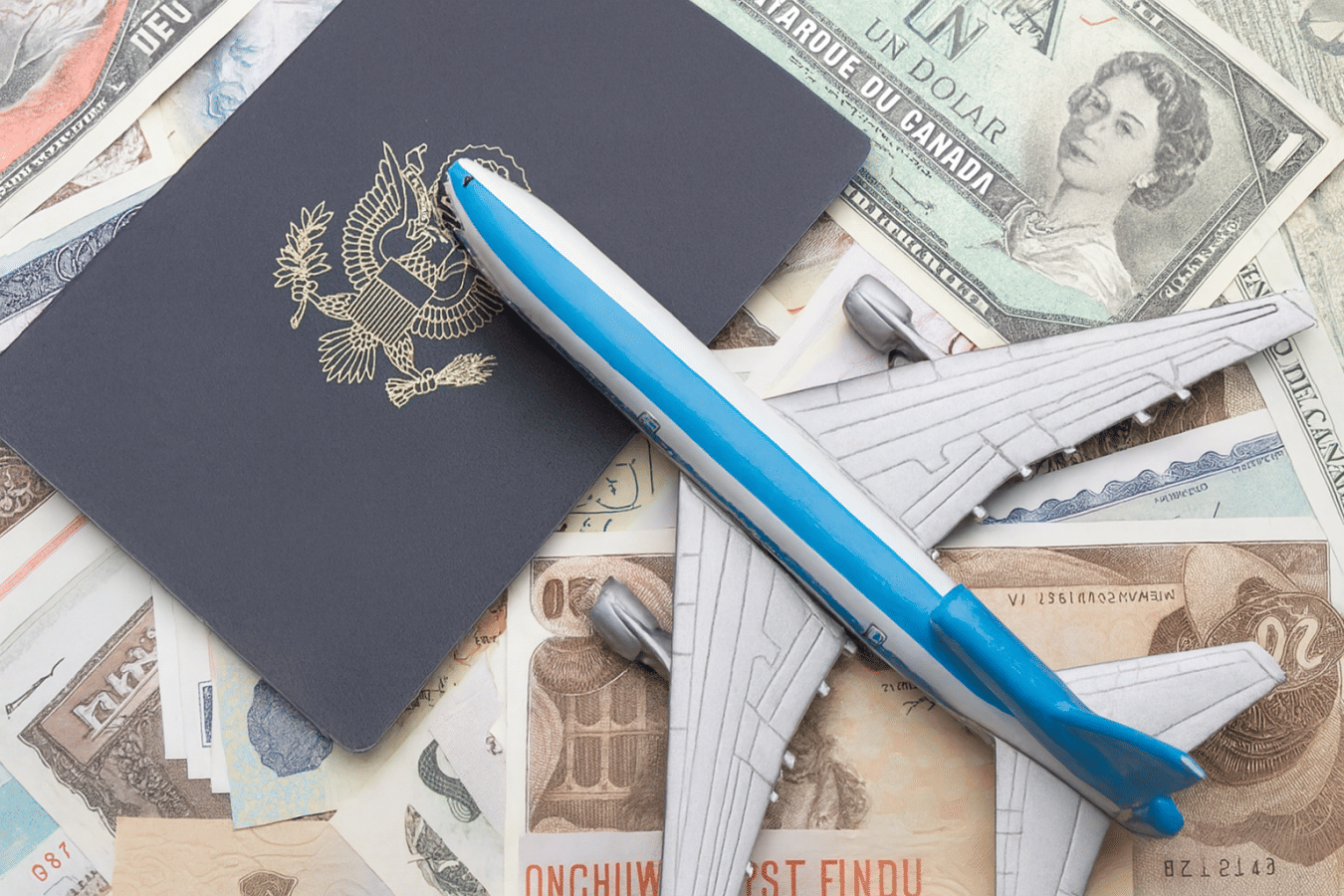
Pro tip: keep your insurance card and key documents in your carry‑on. Too many people find their passport “buried” in the checked bag.
Clothes that work
Basics:
- Swimwear (bring two — one is always wet)
- T‑shirts/tops
- Shorts
- Long pants/leggings
- Fleece/sweater
- UV top/rashguard
- Underwear & socks (extras; wool for cool nights)
- Pajamas
Weather protection:
- Light waterproof jacket
- Warm mid‑layer
- At least two caps/hats (one always goes overboard)
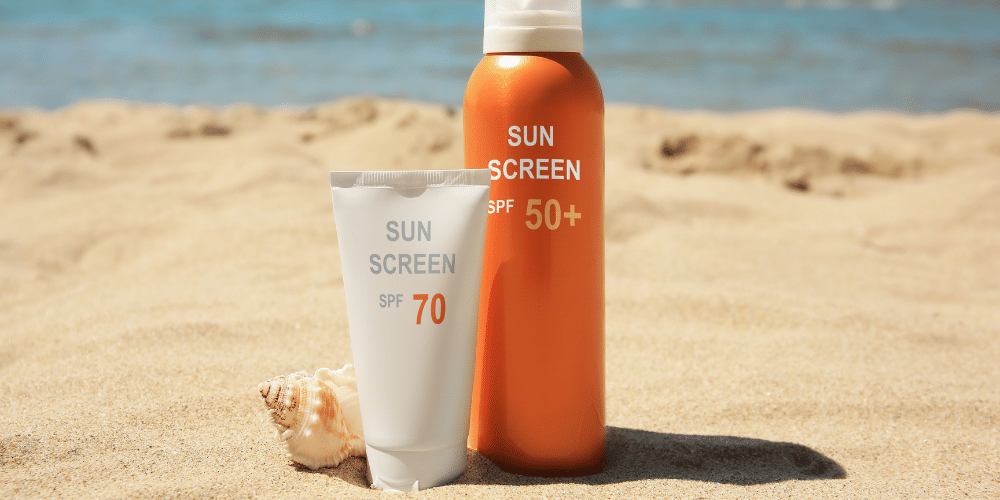
Sun protection isn’t optional. Water reflects UV — rashguard, hat, and quick‑dry UV tops are musts.
Evenings: pack one slightly dressier outfit.
Pro tips:
- Skip skirts — you’ll be climbing around
- Layers are your friend
- Don’t bring anything you’d be heartbroken to lose
Beauty fans: a small kit (foundation, mascara, remover) is plenty.
Footwear (don’t mess this up)
Comfortable boat shoes or sneakers are essential. You’ll be on your feet a lot — comfort counts.
Must‑haves:
- Non‑marking soles
- Flip‑flops or sandals
- “Evening” pair (optional)
Rules:
- Only broken‑in shoes — blisters at sea are brutal
- No black soles — they scuff the deck
- No heels/wedges
- 1–2 extra pairs for shore
Accessories you’ll actually use
- Clips for cap/sunglasses (wind happens)
- Good sunglasses
- Cap or hat
- Leave jewelry at home
- Bring only what you can afford to lose
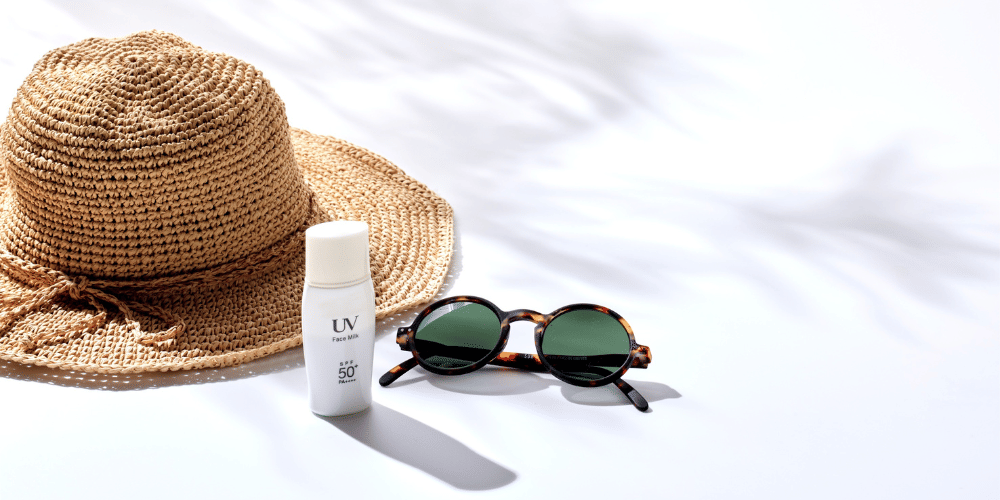
Toiletries
Stock up before you go:
- Shampoo & conditioner (travel size)
- Soap/body wash
- Sunscreen
- Aloe/after‑sun
- Deodorant
- Face moisturizer
- Lip balm with SPF
- Razor & shave kit
- Glasses/contacts/eye drops
- Toothbrush & toothpaste
Electronics
- Phone + charger
- Other chargers
- 12V charger
- Waterproof action camera
- Drone
- Power bank
- Headphones
- Universal adapters
- Converters (check the boat’s specs)
- Small flashlight
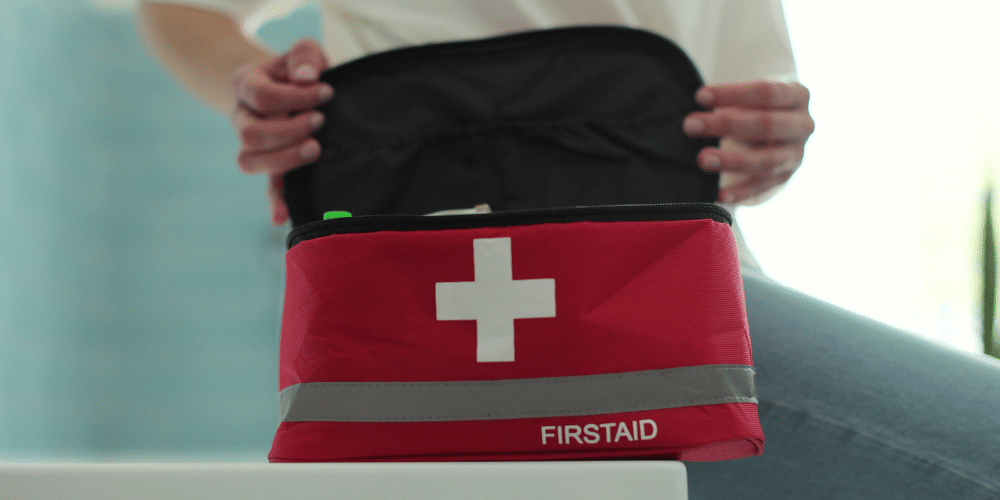
First aid & safety
- Basic painkillers (acetaminophen, ibuprofen, aspirin)
- Anti‑nausea/sea‑sickness meds
- Prescription meds (labeled)
- Bandages
- Insect repellent
- Personal treatments
Charter bases are usually stocked, but your own mini kit brings peace of mind. Better to have it than need it.
Food & drinks
Hunger tends to strike far from shore.
Bring:
- Dry goods — chips, crackers, nuts
- “Clean” snacks
- Plenty of water
- Snacks for longer crossings

Skip:
- Glass bottles (cans take less room)
- Ice cream/chocolate (melts = mess)
- And never sail on an empty stomach!

Important: ask your base what’s included. Some offer provisioning packs, some the basics, some nothing. Knowing ahead of time keeps things calm.
For quiet moments
- Comfy pillow (for the picky)
- Sleep mask
- Earplugs
- Books or e‑reader
- Magazines
- Music and things to unwind

Handy extras
- Beach towel
- Shower towel (check if provided)
- Small daypack/beach bag
- Snorkel set
- Cards/games
- Sailing gloves
- Kitchen towels
- Zip bags
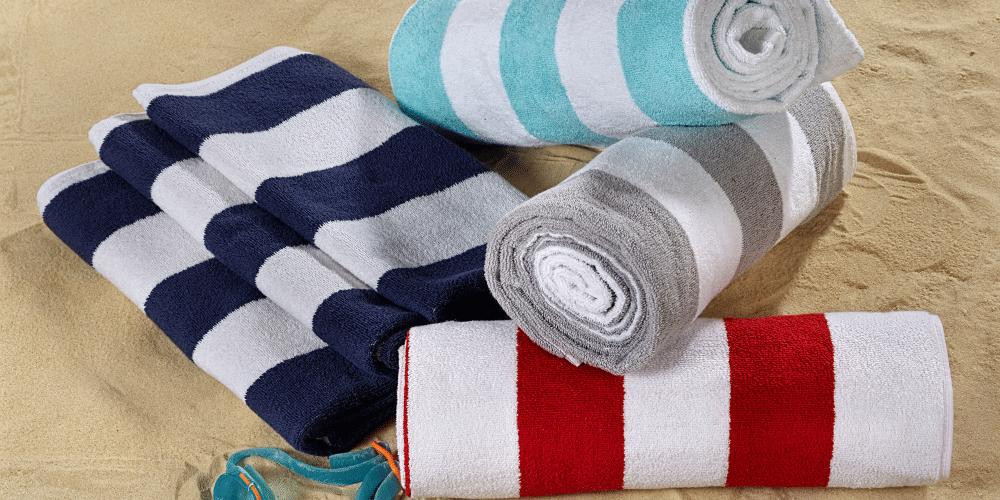
Depending on destination: Beach day? Beach mat. Hiking? Sturdy shoes.
Comfort on board
Breathable fabrics — cotton tees, light shorts — help you stay cool. Even in the Med in summer, evenings can be chilly: bring warm layers and a windbreaker. A dry bag protects valuables from spray.
On your feet, deck or water shoes with good grip help avoid slips. A hat, polarized sunglasses, and SPF lip balm aren’t “nice‑to‑haves” — they’re essentials.

Entertainment: sorted
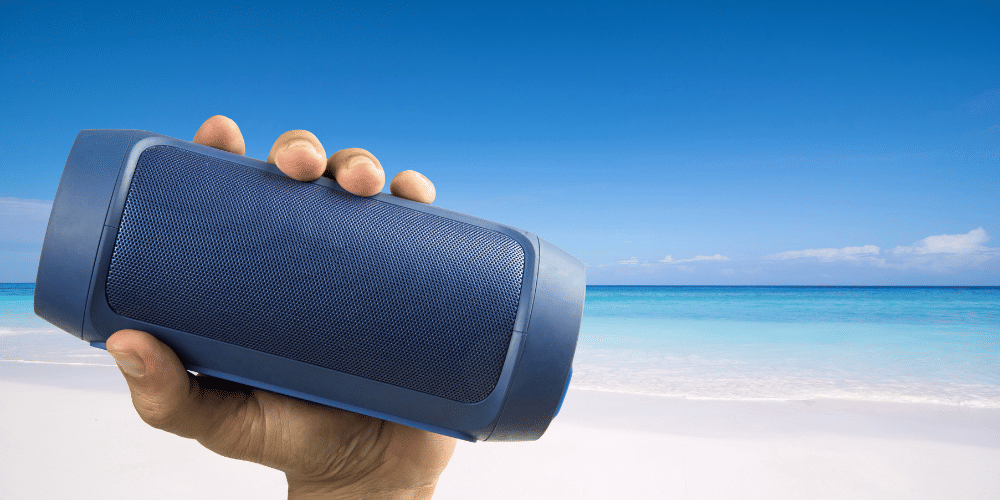
Sailing vacations = memories. Pack a portable Bluetooth speaker for music; cards, books, and travel games for quiet anchorages. Ashore: water toys and sturdy shoes for rocks.
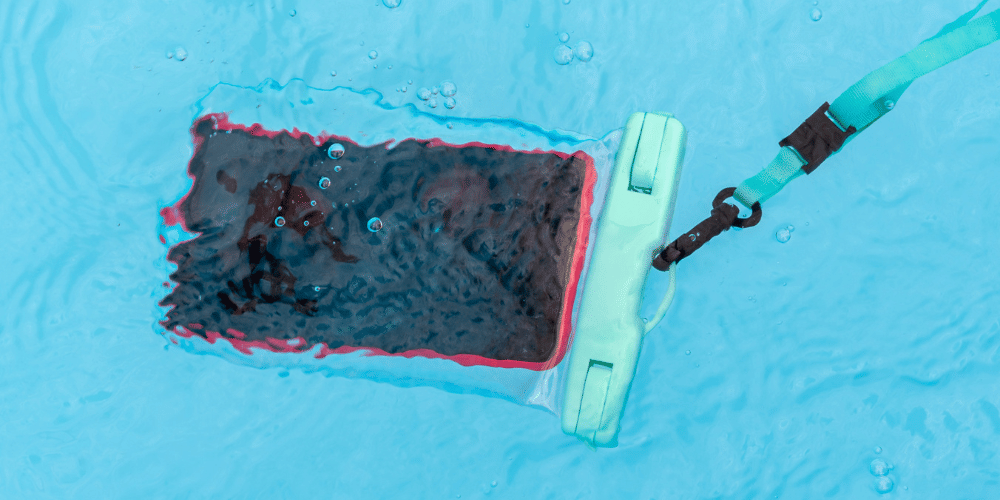
A power converter and a waterproof phone case keep you connected. A duffel saves space, and “pack light” keeps chaos at bay.
What’s usually already on board
- Bedding and blankets
- Navigation electronics
- First‑aid kit
- Life jackets

Note: automatic/inflatable life jackets aren’t standard everywhere. If you bring your own, remove the CO₂ cartridge before flying.
Handling Seasickness
No one wants to feel lousy on vacation. Our tips:
- Lie down somewhere comfortable
- Stay on deck — fresh air helps
- Fix your eyes on the horizon — a steady visual reference
- Take medication — have it ready in advance
- Have a small snack — an empty stomach makes it worse
If you’re prone to seasickness, bring enough of what works for you.
Getting your “sea legs”
First time aboard? A mild sense of wobble is normal. Learn the boat, take it easy, and rest. In a day or two, you’ll adjust.
Trip planning: key steps
Step 1: choose your crew wisely
It sounds obvious, but it’s the most important decision. Tight spaces, no “escape hatch” — are you truly compatible?
Golden rule: a group on the same wavelength who get along. Zero drama. 8–10 people in 4 cabins often works great.
Step 2: destination
Access: can everyone easily reach the departure marina?
Experience: different waters call for different skills. Be honest. Or hire a skipper.
Activities: nightlife or quiet anchorages? Align expectations.
Step 3: realistic budget
Set a per‑person budget; don’t forget provisioning, taxes, and mooring fees.
Step 4: getting there
Airfares swing with the season. With good timing, you’ll find deals to beginner‑friendly destinations.
Step 5: find the right boat
Big selection, secure payment, the right insurance, and 24/7 support = a stress‑free booking.
Wrapping up
Planning can feel like a lot, but with wind in the sails you’ll forget all that. Soon you’ll be exploring incredible spots and living on the water.
Remember:
- Double‑check with your crew that everyone’s got the essentials
- Stay safe, hydrate, have fun
- Pack light — seriously
Happy packing! And when you’re making great memories, share them and inspire other travelers.
Ready for the adventure? If you haven’t booked yet, request an offer.