
 Sailing holidays
  Skippered
  Flotilla sailing
  Digital Flotilla
  Cabin charter
  Get a quote
Picture this: the sailing holiday you've always dreamed of — gliding past stunning coastlines, diving into crystal-clear waters, snorkelling with tropical fish, and exploring hidden coves you never knew existed. Then, just as everything's going perfectly, it hits you: seasickness. Suddenly, the fun grinds to a halt.
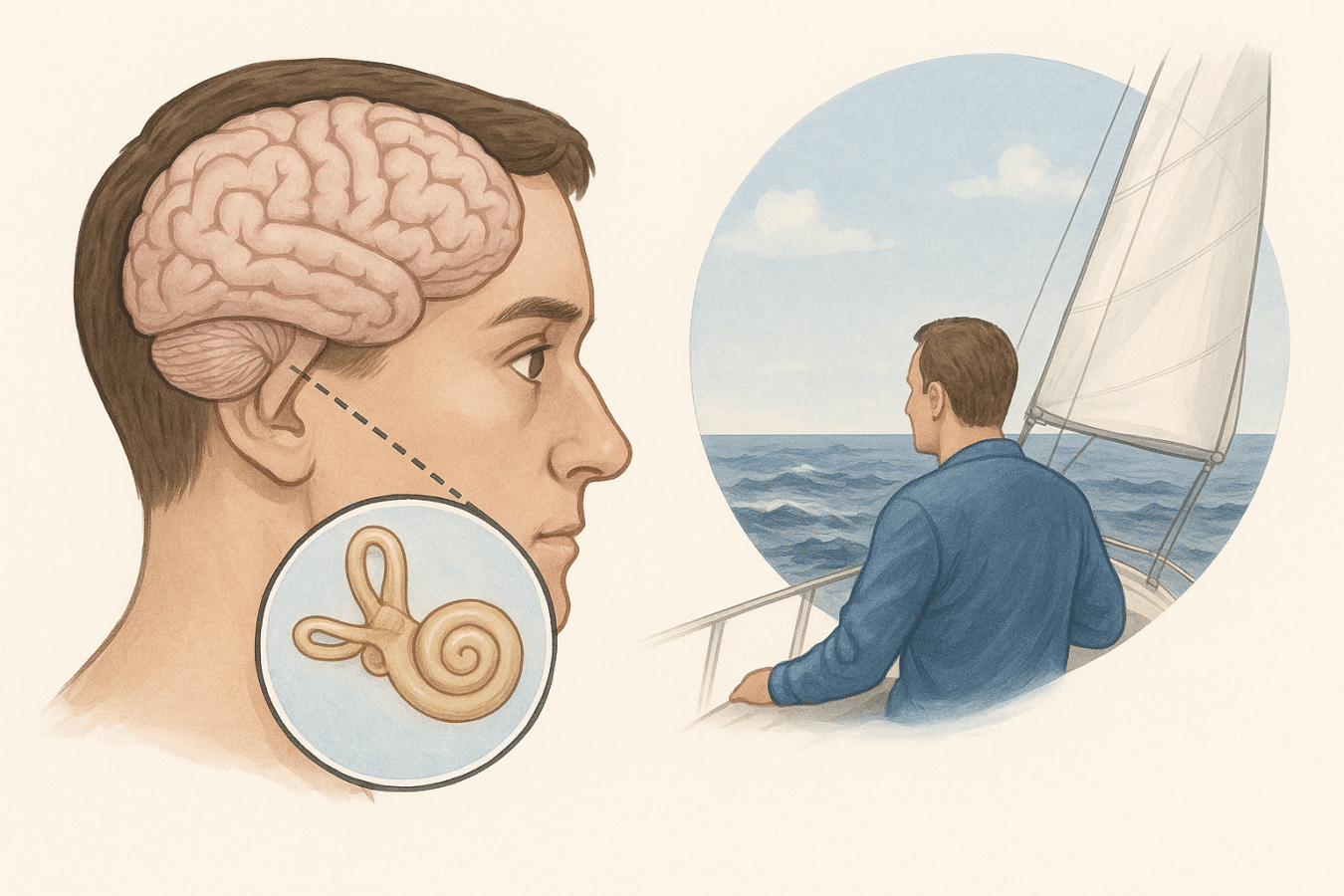
Here's an interesting fact: motion sickness, including seasickness, was first scientifically described in the 19th century. It happens when your inner ear senses movement that your eyes can't see, creating conflicting signals in the brain. Confusing, right?
Learning how to prevent motion sickness can genuinely transform your maritime adventure from miserable to memorable. Nobody wants to feel unwell on holiday — especially not at sea. While seasickness is surprisingly common (particularly on first sailing trips), the good news is there are plenty of effective ways to manage and prevent it.
In this guide, we're sharing 10 practical tips on how to avoid seasickness on a yacht and feel better fast if it strikes — so you can get straight back to enjoying the adventure.

Understanding How to Prevent Seasickness
Before jumping into solutions, it helps to understand what's actually happening. Seasickness is your body's response to conflicting signals from your eyes, inner ear, and body. When these signals don't match up, your brain gets confused, leading to those classic motion sickness symptoms. Nausea is usually the main culprit, often accompanied by dizziness, cold sweats, and general discomfort. The key to avoiding seasickness while sailing? Addressing these sensory conflicts through various proven methods.

The Inner Ear and Motion Sickness Explained
Motion sickness most often stems from a mismatch between what your eyes see, what your inner ear senses, and what your body feels. The inner ear — responsible for balance — detects motion and fires off signals to your brain. If these signals don't match what your eyes are seeing (like when you're tucked below deck and can't see the waves), your brain essentially throws up its hands in confusion, triggering classic motion sickness symptoms.
To combat this, focus your eyes on a fixed point in the distance, such as the horizon. This simple trick helps your brain reconcile the motion your inner ear is detecting with what your eyes are actually seeing, restoring that much-needed sense of balance. Getting plenty of fresh air and taking regular breaks on deck can also work wonders, giving your body a chance to reset and find its equilibrium. As research continues, understanding how the inner ear contributes to motion sickness may lead to even more effective remedies, helping sailors everywhere enjoy smoother journeys at sea.
10 Effective Ways to Prevent Seasickness on Your Sailing Trip
1. Take the Helm Yourself
If seasickness affects you, there's a good chance you've dealt with motion sickness in cars too. Ever noticed how you never feel sick when you're the one driving? That's no coincidence.
The same principle works brilliantly for sailing. When queasiness starts creeping in, taking the helm yourself and focusing on the horizon ahead — keeping your head and eyes facing forward in the direction of travel — can make a real difference. Now, steering might be the absolute last thing you fancy doing when feeling rough, but many sailors swear by this method.
In that moment, it might just be your best bet for avoiding seasickness while sailing.

2. Ginger: Nature's Seasickness Remedy
Ginger is a proper natural stomach soother and works surprisingly well against seasickness on sailing trips.
There are loads of ways to consume it — ginger ale kept cold in the fridge, ginger candies, ginger cookies, or even water and tea with fresh ginger. Even if you're confident you won't get seasick, it's worth keeping some ginger products on board just in case.
Trust us, ginger becomes an absolute lifesaver during those queasy moments on your sailing vessel.

3. Self-Affirmation and Positive Talk
This might sound a bit daft at first, but stick with us — positive self-talk can genuinely help combat seasickness while sailing.
Here's how to put this into practice when nausea strikes on board:
Recognize the problem: Seasickness
Possible cause: Fear or lack of control
New mindset: "We're completely safe, nothing bad will happen, and we're at peace with this situation."
It's about reframing your mental state, and it genuinely works for many people.

4. Hypnosis
Despite what many people think about hypnosis, it can actually help with seasickness, general motion sickness, and even dizziness while sailing.
One popular option is a CD by Giovanni Lordi called Mind Journeys. A quick Google search will pull up plenty of information about it.
If hypnosis has worked for you in the past, it's definitely worth giving it another go for seasickness.

5. Sea-Bands & Acupressure
Feeling seasick during your sailing adventure? There's a simple acupressure point that can help combat the sickness.
Place three fingers lengthwise at the base of your wrist, then press just below and in the middle of your arm. While this often works, it might only provide temporary relief from seasickness.
Another brilliant option is Sea-Bands — wristbands with small balls that apply constant pressure at exactly this point. Countless sailors rely on them for preventing motion sickness while sailing, and the reviews speak for themselves.
6. Nevastic Audio App
Yes, there's actually an app for avoiding seasickness while sailing, and it works.
The clinically proven Nevastic Audio app helps combat nausea and vomiting linked to motion sickness. Each session lasts 27 minutes, featuring a series of songs and sounds that need to be heard through headphones for proper balance effect.
This is particularly excellent for treating children's seasickness on sailing trips. If you're planning to sail with kids , this app is worth the investment.
7. Nelson's Travella
This homeopathic remedy combines Staphisagria, Apomorph, Cocculus, Petroleum, Theridion, Nux vomica, and Tabacum to tackle seasickness.
These types of medications are usually available over-the-counter at local pharmacies or from various online retailers. Worth stocking up before your sailing trip — better safe than sorry.
8. Relief Band Explorer
Similar to Sea-Bands, the Relief Band takes things up a notch by sending gentle electric currents to your pressure point.
First-timers should know this typically creates a tingling sensation in the palm or middle finger. Don't worry — that's completely normal. There are 5 different electrical intensity levels to adjust as needed.
At around 80 euros, it's definitely an investment, but one worth considering if other remedies haven't delivered the goods for preventing seasickness while sailing.
9. Scopoderm TTS or Scopolamine INN Patches
Here's a common problem: people suffering from seasickness and vomiting often can't keep tablets down. Many simply find swallowing pills difficult when feeling rough, so alternative medicines become essential. That's where doctors often recommend Scopoderm TTS or Scopolamine INN patches.
When nausea strikes and vomiting seems imminent, simply apply one of these patches and wait for your stomach to settle.
While there's no cast-iron guarantee, these patches have proven quite effective for sailors dealing with motion sickness. These patches, along with other medicines like pills, are commonly part of motion sickness treatment protocols.
10. Cinnarizine/Stugeron
Unlike the patches mentioned above, this is actually a traditional swallowable tablet.
This medication prevents vomiting and dehydration effectively. Fair warning though — it can make you feel drowsy as a side effect. But let's be honest: if the choice is between feeling a bit tired or spending your sailing trip vomiting, this is a fantastic option.
Diet and Sailing: What to Eat (and Avoid) to Prevent Seasickness
What you eat before and during your sailing trip can genuinely make or break how you feel on the water. Preparation is key here — never set sail on an empty stomach, as this actually makes you more susceptible to feeling seasick. Instead, go for light, easily digestible meals and snacks before casting off. Heavy, greasy, or spicy foods can irritate your stomach and make motion sickness symptoms worse, so best avoid them.
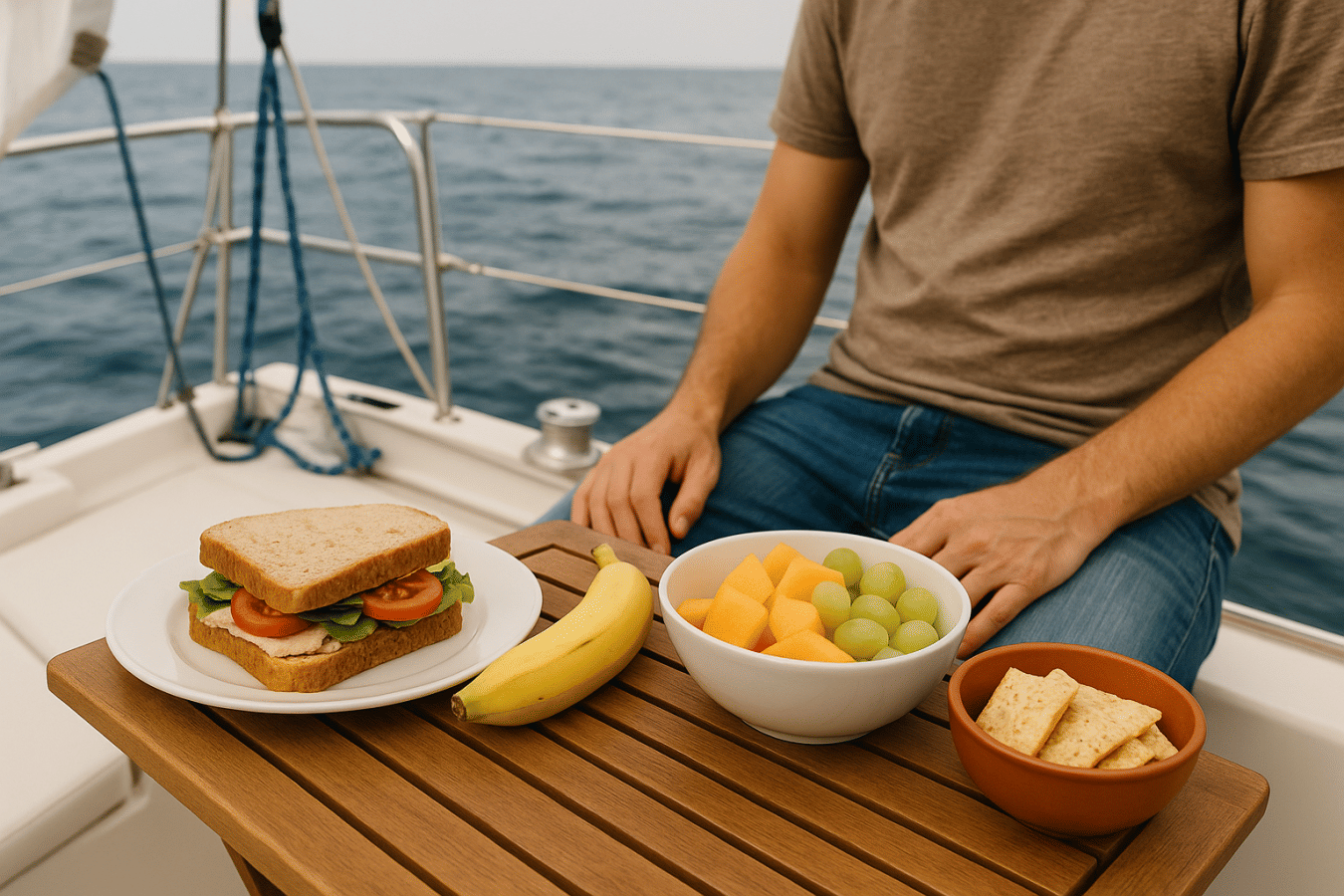
Staying properly hydrated is equally crucial — dehydration makes everything worse and increases your risk of getting seasick. Drink water regularly throughout the day, and watch your caffeine and alcohol intake, as both contribute to dehydration. Smoking also makes symptoms worse, so it's recommended to avoid it while on board.

Children and Seasickness: Special Considerations
Kids are often more susceptible to motion sickness, whether in cars or on yachts, so taking extra steps helps them enjoy their sailing adventure properly. One of the most effective prevention methods for children is keeping them engaged and distracted — playing games, listening to music, or singing songs all help take their mind off the motion. Make sure they spend plenty of time on deck, where they can get fresh air and look out at the horizon, helping their inner ear and eyes stay in sync.
If your child starts showing signs of mild motion sickness — feeling queasy or dizzy — it's worth consulting with your doctor about appropriate medications or tablets designed specifically for children. Always follow recommended dosages and guidelines for any medication carefully.
By preparing ahead, encouraging regular breaks on deck, and keeping children hydrated and occupied, families can help prevent motion sickness and ensure everyone enjoys every moment on the water.

Virtual Motion Sickness: What Sailors Need to Know
With virtual reality technology and video games becoming increasingly popular, sailors now face a new challenge: virtual motion sickness, also known as cybersickness. This condition stems from the same conflicting signals between eyes and inner ear that cause traditional motion sickness. When eyes perceive motion in a virtual world but the body and inner ear don't register any actual movement, queasiness, dizziness, or even cold sweats can start. In some cases, this leads to vomiting or general discomfort.

To combat virtual motion sickness, take regular breaks from screens, focus your eyes on fixed points in the distance, and adjust your gaze or facing direction to help your brain recalibrate. If symptoms start appearing, step away from the virtual environment and get some fresh air. Consulting with healthcare professionals can also help find effective prevention and treatment methods for virtual motion sickness, ensuring you can enjoy both time on the water and in the digital world.
Understanding the causes and symptoms means being better prepared to prevent discomfort and stay focused on enjoying sailing adventures — wherever they take you.
What Are the Symptoms of Seasickness?
Recognizing symptoms early helps address seasickness before it becomes severe, potentially preventing you from getting properly sick. These symptoms are typical for people feeling unwell or uncomfortable at sea:
-
Nausea and vomiting
-
Dizziness
-
Apathy (lack of emotions, motivation, or enthusiasm)
-
Excessive sweating
-
Cold sweat
-
Headaches
-
Pale complexion
-
Drowsiness
-
Changes in blood pressure
These symptoms can significantly affect people's lives, making travel or daily activities much harder to enjoy.
Stay Strong and Positive While Sailing!
Now you know how to avoid seasickness while sailing with these 10 proven methods. Remember to stay positive — seasickness does pass!
The best approach? Try different remedies and find what works best for you personally. Many experienced sailors recommend combining multiple methods — like taking ginger while focusing on the horizon and using acupressure bands simultaneously.
And when you're back to feeling ship-shape? That's when you'll want some proper good food. Check out our tips for cooking on board and make the most of your sailing adventure!