
 Sailing holidays
  Skippered
  Flotilla sailing
  Digital Flotilla
  Cabin charter
  Get a quote
Let's be real— sailing with children is no small feat. Between safety concerns, keeping everyone fed, managing schoolwork, and preventing the dreaded "I'm bored" meltdown, there's a lot on your plate. But here's the good news: with careful planning, you can absolutely pull this off and create memories your family will treasure forever.
That dream of a family sailing adventure? With careful planning, those dreams can become reality. This guide dives into those subtle touches that transform a potentially stressful trip into an adventure your kids will be buzzing about for years.

Safety First: Getting the Basics Right
I'm starting with safety because nothing else matters if this isn't sorted. The ocean is stunning but unforgiving, especially with curious little ones aboard. Before you untie that first line, establish clear safety rules and protocols—this is essential for managing risks and ensuring everyone's well-being. Sit everyone down and go over the safety rules to foster a culture of preparedness.
Life Jackets Are Non-Negotiable
Kids wear life jackets whenever they're on deck. No exceptions, no "just for a minute," no negotiations. Request properly fitting life vests in children's sizes from your charter company before you leave the dock. Inspect them carefully—make sure they're not worn out or damaged.
Here's a fun tip: before you set sail, practice floating exercises with your kids. It helps them understand why these vests matter and transforms wearing them from a chore into adventure preparation.

Safety Netting and Childproofing
Install safety netting anywhere kids could potentially fall or access dangerous areas. The small space on yachts means hazards are often within arm's reach, so be extra vigilant.
Combine netting with securing heavy items (they become projectiles when the yacht rocks), using non-slip mats everywhere, and covering sharp edges. For sleeping areas, sturdy lee cloths prevent kids from rolling out of bunks at night.

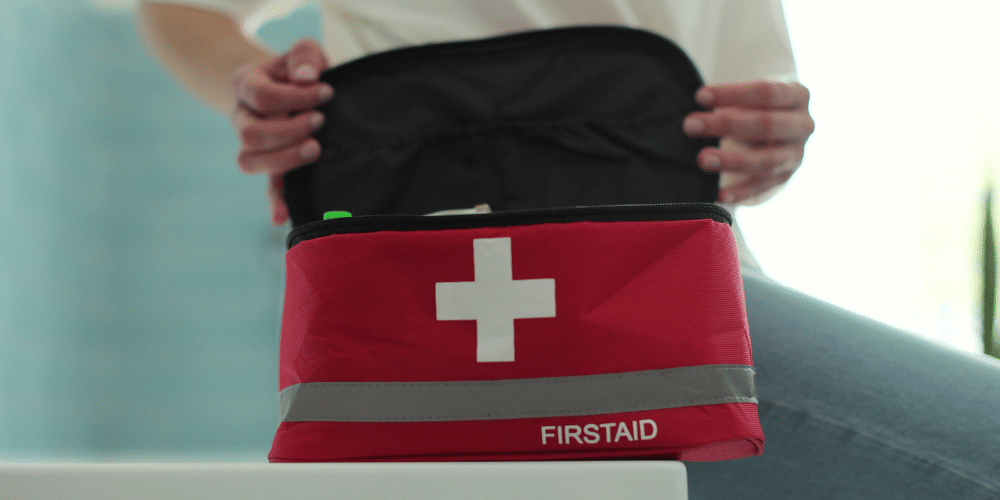
The First Aid Kit
Keep a well-stocked first aid kit tailored to your children's specific needs. Include regular medications and motion sickness remedies. Make sure it's easily accessible—not buried in storage.
Quick safety tips: Check your kit regularly for expired items, teach children basic first aid, and review emergency procedures together so everyone knows their role.
Choosing the Right Yacht
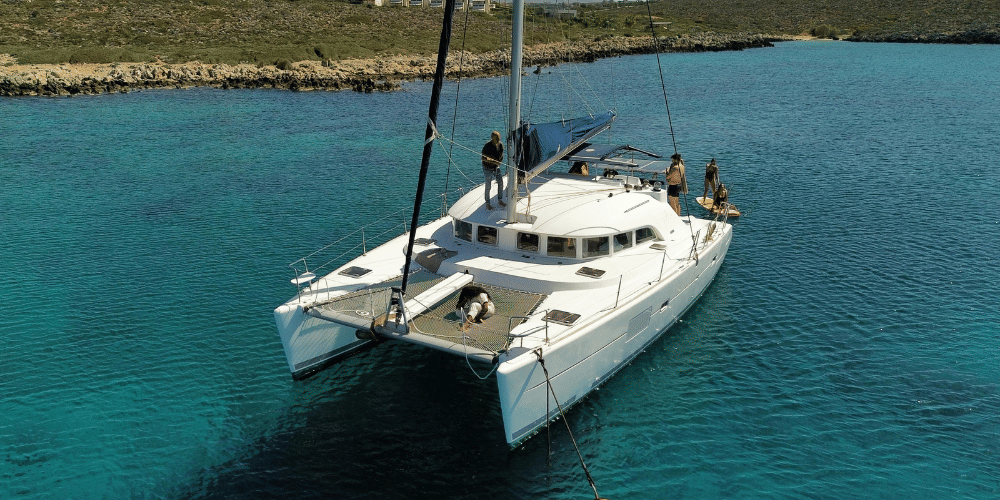
This decision will make or break your trip. Choosing the proper boat is crucial for both safety and enjoyment, as different boats offer unique experiences for families.
For families with young kids, I highly recommend a catamaran or wide-beam monohull. These types of boats are popular choices for family sailing. They're significantly more stable, meaning less seasickness and more space for everyone to spread out.
What to look for:
-
Enough cabins and bathrooms for your family size
-
A layout allowing kids some independence without being out of sight
-
Essential safety features already installed
-
Reliable engine and good navigation equipment
-
Well-maintained vessel—ask to see maintenance records
Test different boats if you can. Have honest conversations with your charter company about your family's specific needs. The unique experience of living aboard a sailing boat offers opportunities for exploration, learning, and memorable family adventures.
Privacy Matters (Yes, Even on a Yacht)
Kids need their own space, even in the middle of the ocean. Some families charter bigger yachts so each child gets their own cabin, but that's not always practical or affordable.
Creative Solutions for Small Spaces
Curtains are magic. If siblings share bunk beds, install curtains around each bunk. When someone needs alone time, they pull the curtain closed—instant privacy. Let kids pick fun designs. Galaxy patterns with glow-in-the-dark stars work great for younger children.
Make it cozy. Add cushions, soft blankets, family photos in waterproof frames, and small battery operated lamps. Let your kids help decorate their space. Stickers work brilliantly—kids can personalize their area or collect marine life stickers in a booklet. Add shelves in bunks for storage.
Give them actual alone time. This is huge, especially with teenagers. Let them explore an island on their own if it's safe and you've scoped it out, or leave them on the yacht while you run errands. Both generations benefit from occasional breathing room.
Setting Your Kids Free (Responsibly)
No matter how spacious your yacht is, it can feel cramped. Give kids opportunities for independence through specific tasks and responsibilities. Involving children in daily routines helps them develop essential life skills such as responsibility, teamwork, and problem-solving.
Encourage children to think of themselves as crew members, not passengers. Sailing is a unique opportunity for young sailors to learn through hands-on experience.
Let Older Kids Drive the Dinghy
For teenagers and mature older children who've watched you pilot the dinghy multiple times and shown responsibility, letting them take the helm can be incredibly empowering. Teach them to follow a navigation course—understanding how to trace routes, set a heading, and maintain that heading to stay on course.
Don't Be Condescending
Kids can handle real responsibility. Grown-ups should set the example by following safety procedures and actively engaging with kids. A teenager standing night watch during a crossing? That's a legitimate learning experience they'll remember for life. These responsibilities make kids feel proud, useful, and genuinely part of the crew.
Find the Balance with Schoolwork
You don't need to replicate a full school day. Set specific learning time—ideally during hours when kids naturally don't want to be outside anyway.
If you're sailing somewhere hot, use the midday heat when it's not safe to be in the sun for schoolwork. Observe your children's rhythms and work with them. They're already learning constantly through real-world experience—navigation, weather, cultures, and marine life.
Keeping Boredom at Bay
The dreaded "I'm bored" can strike at any moment. Bring classic board games like Monopoly or UNO for long passages. Organize a scavenger hunt and turn it into a game where kids identify different boat parts—this makes learning about the yacht fun. For younger children, a small paddling pool on deck provides hours of safe water play.

Books and Entertainment
Bring options and let kids choose what interests them. If storage is tight, consider an e-reader loaded with favorites. Don't underestimate the power of reading aloud together—sharing a story makes the sailing experience more engaging.
Take a trip to the bookshop before your voyage and let each child pick their own books. It builds anticipation and gives them something for quiet moments.
Technology and Music
Sailing is about disconnecting, but bring one laptop and family-favorite movies for rainy days and evenings. You don't have to be screen-free zealots to have an authentic experience.
Music transforms mood, makes chores fun, and creates energy when everyone's dragging. A portable waterproof Bluetooth speaker is worth its weight in gold. Keep the tunes playing all day.
Get Creative
Stock up on craft supplies, card games, and waterproof toys. Fishing gear provides hours of entertainment and potential for fresh dinner. Another idea is to reward kids for taking on responsibilities or following safety procedures, which can motivate and engage them.
Finding Friends for Your Kids
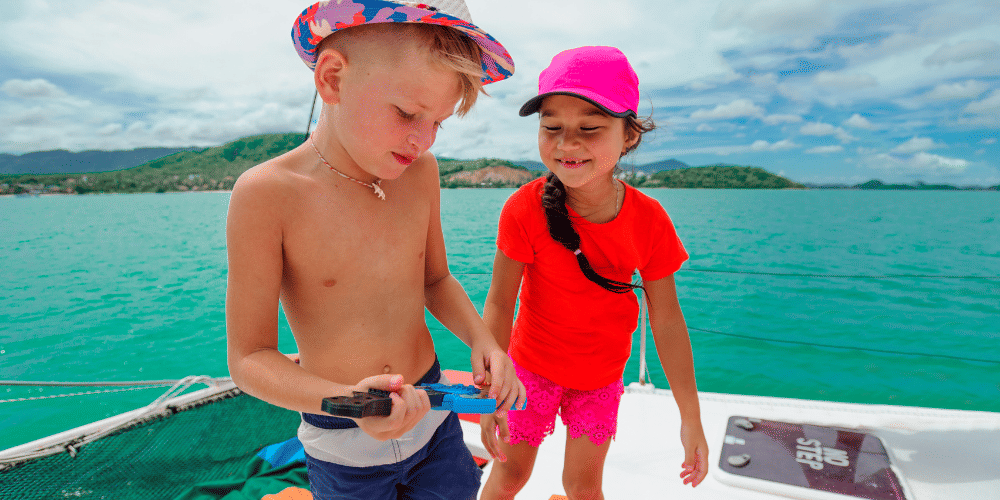
This is probably the hardest challenge, especially with an only child aboard. The good news? Sailing provides opportunities to meet other traveling families. Many families choose sailing for its social opportunities.
Connect with Other Sailing Families
Use single sideband radio nets to ask about children's yachts in your area or upcoming destinations. VHF radio, cruising kids' websites, and Facebook groups when you have internet are great resources. Destinations like George Town in the Bahamas are popular with sailing families, increasing chances of finding playmates.
Keep Home Connections Alive
Missing friends back home is real and can seriously affect a child's happiness. When you have internet, arrange video calls. When you don't, give kids postcards to send or save. A Polaroid camera is brilliant—kids can photograph things they want to show friends when they return.
Encourage Play with Local Kids
Language barriers don't matter as much as you'd think. Kids are perfect at making friends without words. Sometimes they just need a gentle nudge to overcome initial shyness.
Establishing a Routine
Routines provide security and structure, significantly reducing anxiety and boredom for children.
Daily essentials:
-
Regular meal times with kids involved in preparation
-
Consistent sleep schedule with designated quiet time
-
Mix of structured activities and free play
-
Daily safety checks of equipment
-
Parents modeling and reinforcing routines and safety practices
When kids know what to expect, they adapt better. Routines ensure everyone gets enough rest and food—two things that dramatically affect mood on a yacht.
Meal Planning That Actually Works
Well-fed kids are happy kids. Involve children in meal tasks to make them feel engaged. Meal preparation also provides valuable quality time for family bonding.
Easy-to-Prepare Wins:
-
Smoothies: Blend frozen fruits, veggies, and protein powder
-
Baked oatmeal cups: Mix oats, dried fruits, and nuts ahead of time
-
Sandwiches and wraps: Versatile for picky eaters
-
Pasta dishes: Easy to prepare
-
DIY tacos: Fun for kids to assemble themselves
Motion sickness is real, and the right snacks help prevent it. Stock up on nuts, dried fruits, whole grain crackers, and ginger candies, which work as natural seasickness remedies .
Simple excursions ashore for fresh bread and milk add joy and give everyone a taste of local living.
Tackling Seasickness
Seasickness can absolutely ruin a trip if you're not prepared.
Natural remedies: Ginger candies or snacks, non-drowsy ginger supplements, staying well hydrated, fresh air on deck, and encouraging time on deck to help develop sea legs.
Medications: Choose non-drowsy options. Have both natural and pharmaceutical options ready—different remedies work for different people.
Packing Essentials
Comfort items: Special blankets, favorite stuffed animals, familiar bedtime items—these provide emotional security.
Entertainment supplies: Books, games, craft materials, waterproof toys, and fishing gear.
Practical gear: Sunscreen and lots of it, hats, sunglasses, waterproof bags, and extra towels.
Make a checklist and go through it twice. There's nothing worse than realizing you've forgotten something essential when you're miles from shore.
The Power of Listening
At the heart of every happy child is a parent who truly listens. Every parent aboard plays a key role in listening to and supervising children, ensuring everyone feels supported. When children are excited about new experiences on board, taking the time to listen can make the adventure even more memorable.
Long sailing holidays can be challenging. But when you make the effort to really hear what your children are saying about their feelings and experiences, you create bonds that last far beyond the trip. Two-way communication creates trust, solves problems before they escalate, and helps everyone feel valued.
Exploring New Destinations
One of the most magical aspects of family sailing is discovering new places and cultures together. Exploring the sea allows your family to connect with nature, observe incredible marine life, and experience an ever-changing environment.
Planning tips:
-
Consider children's ages and interests when choosing destinations
-
Younger kids: beach-focused trips with swimming
-
Older children: cultural or historical sites, museums, ruins
-
Build in plenty of downtime and flexibility
-
Weather is unpredictable—have backup plans
-
Check wind conditions and select safe headings
Whether exploring the Caribbean's turquoise waters or Europe's historic ports, embrace the adventure. Your family will have sailed to incredible places, gaining experiences that enrich your lives. Each destination adds to your family's collection of maritime adventures.
Documenting Your Adventure
Journals: Encourage each family member to keep their own record. Record stories from your journey and reflect on what you've learned as a family.
Photos and videos: Capture landscapes, activities, candid moments, and time spent together. Don't just photograph scenery—capture silly moments, challenges, and genuine smiles. Create a scrapbook together after the trip.
Social media: Share experiences to connect with other sailing families and inspire others.

Final Thoughts
Here are our top tips: prioritize safety above everything, keep everyone engaged, and make the journey enjoyable for all ages.
Sailing with children can absolutely be exciting, rewarding, and unforgettable with the right preparation. Prioritize safety, keep kids entertained and well-fed, choose the appropriate vessel, involve everyone in the adventure, and keep in mind those little touches that make the yacht feel like home.
Every adult aboard sets the example for safety and fun, making sure everyone follows rules while enjoying the journey. Parents work together to manage challenges, providing support during difficult moments. You're not just keeping kids safe—you're teaching them how to be responsible sailors.
With these strategies, your family sailing trip can be filled with laughter, learning, and memories you'll all cherish. Whether you're considering Greece , Croatia , or Spain , the perfect family sailing adventure awaits.
Need help finding the ideal family-friendly yacht? Don't hesitate to reach out to experts who can match you with exactly what your family needs.
Now get out there and make some waves!